

Lisbon, Portugal’s captivating capital city, beckons with more than breathtaking scenery and rich culture and history. This vibrant city offers a sophisticated lifestyle, cultural treasures, and a welcoming community—a perfect fit for the discerning luxury property investor interested in buying property in Lisbon.
Over the past few years, Lisbon real estate investment has come to mean more than a financial benefit from rental income or property profits—it’s an investment in an unparalleled lifestyle compared to other European countries. Lisbon thrives as a major tourist destination, attracting young professionals, digital nomads, and affluent retirees seeking a European haven.
Buying property in Lisbon in 2025 is a smart investment choice due to increasing interest in the capital’s luxury real estate market, growing rental yields, and the growing popularity of the city on the global stage.
From the beautiful streets of Príncipe Real, where you can experience the best comforts and luxuries the city has to offer, to the chic boutiques of Chiado and the vibrant nightlife of Bairro Alto, Lisbon boasts an extraordinary array of neighborhoods, each with its own captivating charm.
Beyond its undeniable beauty and rich history, Lisbon fosters a welcoming and inclusive environment, making you feel instantly at home. Navigating the intricacies of foreign property purchases can be daunting, but this comprehensive guide will be your compass.
In this guide to buying Lisbon real estate, we’ll explore the market and outline the key steps involved in acquiring luxury property. These include essential contracts, transaction processes, and the finalization of paperwork and the property deed.
Buy Property Lisbon: Exploring the Lisbon Real Estate Market

Over the past few years, Lisbon’s real estate market has been thriving due to interest from investors from other European cities and from across the globe, with an increasing number of Americans also snapping up property here in recent years. While the allure of charming neighborhoods and a sunny climate is undeniable, understanding the associated costs is crucial.
Can foreigners buy property in Lisbon?
There are no restrictions on foreign property ownership in Lisbon or Portugal. Plus, with the support and assistance of real estate professionals guiding you every step of the way, buying Lisbon real estate can be a relatively easy and straightforward process, whether you are in search of Lisbon apartments or luxury villas.
Bear in mind that if you are purchasing a property to visit for vacations or to live in permanently, you will need to secure one of the valid visa options Portugal offers. The visa options for non-EU citizens looking to become property owners include the Portugal D7 Visa (also known as the Retirement or Passive Income Visa), the Digital Nomad Visa, and the Portugal Golden Visa program.
Property investment Lisbon: Key reasons to invest in the Lisbon real estate market
There are many reasons to invest in Lisbon real estate, especially the fact that there are no restrictions on foreign property ownership, making it accessible to global investors.
Lisbon’s dynamic market also promises high return on investment potential, driven by steady demand and increasing property values. Although still quite affordable compared to other European countries, it is not without its challenges.
Lisbon also benefits from a low cost of living compared to most European countries, enhancing its appeal to expats and locals. Portugal’s sublime climate offers incredible summers and mild winters, adding to the capital city’s attractive nature.
A major plus is that Portugal’s property purchase process is relatively straightforward. However, it’s essential to remember that besides the purchase price, there are other associated costs to bear in mind when buying property in Portugal. Below, you will find the latest purchase prices for property in Lisbon’s neighborhoods:
- Santo António priced at €9,051 per square meter
- Santa Maria Maior is priced at €7,321 per square meter
- Estrela priced at €7,694 per square meter
- Misericórdia priced at €7,895 per square meter
- Parque das Nações priced at €8,517 per square meter
- Campo de Ourique priced at €6,974 per square meter
To help you navigate this exciting market, we’ve compiled a table showcasing the average price per square meter across some of Lisbon’s most sought-after neighborhoods for Lisbon property.
This data can serve as a guide for your property search in the Portuguese real estate market and help you pinpoint the perfect fit for your budget and lifestyle for your real estate investment. If you’re interested in buying property in Portugal’s capital city, check out our luxury real estate Lisbon guide.
The Portuguese Real Estate Market: Why buy property in Lisbon?
There are many good reasons for purchasing property in Lisbon. According to Knight Frank’s European prime price forecast for 2025, the prices for luxury homes in Lisbon are expected to grow by 4.5 percent, surpassing cities such as Geneva, Milan, Monaco, and Paris. This solidifies the capital of Portugal’s reputation as a popular destination to invest in luxury real estate.
Seeking the services of real estate professionals like buyer’s agents or experienced local real estate agents will help you understand the intricacies of the property buying process in Portugal’s capital city, navigate setbacks, and ensure you make an excellent financial investment.
Partnering with legal experts and real estate agents with valuable knowledge about the Portuguese property market is vital. Their guidance will ensure a smooth and successful journey towards foreign property ownership, allowing you to embrace the luxurious lifestyle that awaits you in Lisbon. Some of the key advantages of buying property in Portugal include:
- No restrictions on foreign property investment
- Investing in a dynamic market with a high return on investment potential
- Low cost of living compared to most European countries
- Sublime climate with incredible summers and mild winters
- Top-quality education and healthcare services
The Best Neighborhoods for Investing in the Lisbon Property Market

Lisbon’s property market offers exciting opportunities for investors and expats looking to settle in this vibrant city. The sections below will examine the city’s most popular neighborhoods for expats and Portuguese citizens living in Lisbon.
We’ll explore the unique charm and advantages of each area and look at property prices so you can find the perfect investment that aligns with your lifestyle and financial goals. If you are interested in coastal areas near Lisbon, our buying property in Cascais guide offers insight into property options in the Greater Lisbon Metropolitan Area.
Buying property in Alfama and Graça
Alfama and Graça both offer a wealth of Portuguese history and undeniable charm. and are two of Lisbon’s most popular neighborhoods to buy property.
Alfama boasts hidden gems like secret gardens and breathtaking city views, while Graça delivers similar magic at a slightly lower price point and with a quieter atmosphere.
Both neighborhoods offer excellent access to the city center on foot – although you will need to get used to the hills -making them ideal for expats seeking a blend of tradition, modern convenience, and strong rental potential for investors.
With average prices recorded at around €7,321 per square meter in Alfama, located in the Santa Maria Maior parish, and €6,401 per square meter in Graça, located in the São Vicente parish, these historic havens offer a captivating entry point into Lisbon’s dynamic property market.
Buying property in Avenidas Novas
Avenidas Novas offers a unique blend of modern luxury and historic charm. Brimming with upscale shops, leafy avenues, and renowned art institutions like the Calouste Gulbenkian Museum, this prestigious neighborhood is a magnet for businesses and residents.
The average asking price for property in Avenidas Novas is €8,377 per square meter. The chic neighborhood offers access to Lisbon’s thriving commercial center, proximity to a network of established companies, and luxury living in a vibrant community.
Buying property in Belém, Ajuda and Restelo
To the west of the city, the historic neighborhoods of Belém, Ajuda, and Restelo boast world-class museums, sprawling gardens, and breathtaking views of the Tagus River. Ajuda and Restelo are known for their tranquil charm, while Belém offers iconic landmarks and a vibrant cultural scene.
With average asking prices of around €6,757 per square meter in Belém and €5,366 per square meter in Ajuda, these districts will attract visitors and residents with their blend of affordability, cultural immersion, and stunning natural beauty, making them the perfect choices for buying a house in Lisbon, Portugal.
Buying property in Baixa and Chiado
Investing in property in Baixa and Chiado offers the best of both worlds: A central location near the vibrant nightlife of Bairro Alto, historic Alfama, and Castelo de São Jorge, and premier shopping areas like Armazéns do Chiado and Luis de Camoes square.
You will be near touristic hotspots like Praça do Comércio and Rossio Square, as well as charming cafes where you can soak up the city’s culture. With easy access to the town and a range of shops, Baixa and Chiado are ideal for those seeking an integrated and exciting Lisbon experience.
The average property price in these two neighborhoods, which are part of Lisbon’s Santa Maria Maior parish, are €7,321 per square meter.
Buying property in Bairro Alto
Not too far from Baixa, the district of Bairro Alto offers a vibrant mix of trendy restaurants, celebrated nightlife, and Fado houses in its winding streets. While some areas can be noisy, quieter pockets exist, making it ideal for those seeking a lively yet residential atmosphere. If you want to buy property in Lisbon and are attracted to this vibrant neighborhood in Misericórdia, you can expect an average price of €7,895 per square meter.
Buying property in Campo de Ourique
Campo de Ourique is a peaceful residential area known for its charming artisanal shops, delightful indoor food market, and relaxed vibe. This family-friendly expat haven offers easy access to Lisbon’s city center, making it ideal for those seeking a convenient and comfortable home base. Property prices in Campo de Ourique average €6,974 per square meter.
Buying property in Intendente and Mouraria
Renowned for being Lisbon’s trendier districts, Intendente and Mouraria offers residents and visitors an attractive, youthful vibrancy surrounded by indoor markets, historic cafes, and unique street art. These neighborhoods in the northern area of Santa Maria Maior generally attract a younger crowd in search of a high-quality and exciting lifestyle, making them perfect if you buy property in Portugal for rental income. Property in Santa Maria Maior averages €7,321 per square meter.
Buying property in Lapa and Santos
Located in the sought-after area of Estrela, Lapa, and Santos are known for their peaceful yet trendy environments, which cater to families and young professionals alike. The neighborhoods comprise well-maintained buildings, a mix of classic cafes, and new restaurants, creating a charming atmosphere. Popular with expats and entrepreneurs, property in Lapa and Santos averages at around €7,694 per square meter.
Buying property in Parque das Nações
Parque das Nações offers a modern escape for young professionals and families. Situated on the Tagus River, away from the city center’s buzz, this contemporary neighborhood is known for its clean, modern architecture and high-quality luxury properties. The Pavilhão do Conhecimento Science Museum and Lisbon Aquarium are nearby, so it’s a perfect fit for families seeking a contemporary, family-friendly environment. The average property price in this sought-after neighborhood area is €8,517 per square meter.
How to Buy Property in Lisbon: Financing Your New Home

Buying property in Lisbon is surprisingly achievable for both EU and non-EU citizens. This short guide below simplifies the process for international investors seeking a rental investment, be it holiday rentals or long-term rentals in downtown Lisbon, a thriving commercial space, or even a luxurious pied-à-terre in this historic city.
Buying House in Lisbon: Get your budget straight
Creating a clear budget is an important step in buying property in Lisbon, Portugal. Start by thoroughly researching property prices to understand market trends. Your budget should include not only the property price but also additional costs like application fees and property taxes.
If financing is needed, consider the deposit requirements: Portuguese residents usually need to provide 10–20 percent of the property value, while non-residents typically require a 30 percent deposit.
Taking these factors into account can help you avoid financial surprises and ensure a smooth purchasing process. Additionally, a well-constructed budget can help you navigate Lisbon’s real estate market confidently.
Financing your property: The main options
When the time comes to finance your property purchase, begin by assessing your finances to determine your budget and financial capacity. If you have sufficient capital, you may opt for a one-off payment to purchase the property outright.
However, many buyers explore mortgage options offered by Portuguese banks, such as BBVA, Santander, Banco Best, Bankinter, and Banco CTT. Understanding the associated costs, including taxes, legal fees, and property registration expenses, is also essential to ensure you are fully prepared for the financial commitment.
Buy Apartment in Lisbon: Types of mortgages
There are two main types of mortgages: fixed-rate and variable-rate, which we discuss in more detail below. Portugal also has several banks that provide various mortgage options to residents and foreign buyers.
Fixed-rate mortgages
You will pay a constant rate over a set period, protecting you against fluctuation changes. This is agreed with the financial institution when requesting financing for your property. It can be fixed for the entire lifespan or, more commonly, for a certain time before reverting to a variable-rate mortgage. There will also be a small fine for early repayment.
Variable-rate mortgages
Your monthly payment fluctuations depend on an index (usually Euribor). Payments are revised every six or twelve months.
Requirements for a Successful Property Purchase
An essential part of buying property in Lisbon and Portugal is applying for a Portuguese NIF number and opening a bank account. These two requirements will also be helpful for any other transactions you must complete in the country. Especially if you plan on investing in the real estate market for rental income or acquiring a commercial property.
Find out more in this guide, How to Get a NIF (Tax Identification Number)Portugal: A Guide for Expats, by our residency and citizenship partner, Global Citizen Solutions.
Portuguese tax number
To buy a property in Portugal and for other major financial transactions in Portugal, you will need an NIF, which is the Portuguese tax number. If you’re in Portugal, you can apply for a NIF at the local tax office, but if not, you can also apply for your NIF number through an attorney or online. To make the process as easy as possible, non-EU citizens are required to have a fiscal representative or an attorney to assist them.
Portuguese bank account
After acquiring a Portuguese Tax Number (NIF), it is recommended that you open a Portuguese bank account. With a Portuguese bank account, you can avoid significant foreign currency transaction fees when making your purchase, giving you one less cost to worry about besides the purchase price. Portugal has a great selection of banks to consider, and some of these Portuguese banks will offer mortgages for foreign buyers.
Required Documents to Buy Property in Lisbon

Gathering the necessary documents is crucial to ensure a smooth and legal property purchase in Lisbon. Working with a real estate lawyer will help you acquire the required paperwork and conduct thorough due diligence on the property you’ve set your sights on.
Their assistance will streamline the process of buying a house in Lisbon and give you peace of mind throughout the transaction. To buy property in Lisbon, you will need the following documents:
- Photo ID: A valid identification document that verifies your identity
- Contrato Promessa de Compra e Venda (CPCV): The buying contract or property deed that outlines the terms and conditions of the property purchase
- Energy Certificate: The property’s energy certificate outlining the energy efficiency of the property. This guide, Portugal’s Energy Performance Certificate Explained, by our property and lifestyle partner Goldcrest, offers all you need to know.
- Imposto de Selo: The Stamp Duty payment, which is a tax required by the Tax Authority for property transactions
- Caderneta Predial: The land register document that contains essential property information, including its location, boundaries, and registered owner
Exploring Taxes and Fees when Buying Property in Lisbon

Like Portuguese citizens, foreign buyers pay taxes when purchasing property in Portugal and once they’ve attained property ownership.
Below, we will explore these additional real estate acquisition costs under two sections: First, the property taxes in Portugal must be paid at the time of purchase, and second, the taxes and fees to be paid annually by property owners after concluding the purchase.
You should also consider additional costs, such as legal fees, Notary fees, and Land Registry fees.
At the time of purchase
In addition to the purchase price, two central property taxes to consider when buying real estate in Lisbon are Property Transfer Tax (IMT) and Stamp Duty. These taxes are explained in more detail below.
Property purchase tax (IMT)
The Imposto Municipal Sobre as Transmissões Onerosas de Imóveis (IMT) or Municipal Tax on Onerous Transmissions of Real Estate is a property transfer tax paid when purchasing Portuguese property. It ranges from 0 to 10 percent and is levied over the purchase price.
The 0-8 percent range depends on the price, location, property types, and purpose for which the property is intended to be used. The fixed rate of 10 percent applies in cases where the buyer has connections with territories that benefit from more favorable taxation schemes, known as blacklisted jurisdictions.
Stamp Duty
Imposto do Selo (Stamp Duty Tax) is an additional transaction tax that will need to be paid. For real estate transactions, the Stamp Duty rate is 0.8 percent of the value of the business or the value of the property, levied on whichever value is higher. If the property is donated, the Stamp Duty for the transaction will be 10 percent of the value of the business or the value of the property.
Taxes after the property purchase
Beyond the initial purchase costs, property ownership in Lisbon incurs annual taxes. Here’s a breakdown of two such taxes: Municipal Property Tax (IMI) and Additional to IMI (AIMI).
Municipal Property Tax (IMI)
The (IMI) Imposto Municipal sobre Imóveis (Municipal Property Tax or Immovable Property Tax) is an annual tax established annually by the municipality and is determined by the area that your property is located in. The IMI ranges from 0.3 to 0.45 percent of the Property Tax Value (VPT) for urban properties and can also go up to 0.5 percent in some instances while for rustic buildings the range is 0.8 percent.
Additional to IMI (AIMI)
Ranging between 0.7 to 1.5 percent and dependent on the property price, AIMI is charged on real estate assets with a high Tax Asset Value (VPT) and is applied to properties that cost more than €600,000. The rates on AIMI are usually calculated as follows:
- 0.7 percent tax on owning property valued between €600,001 and €1 million
- 1 percent tax on property valued between €1mil and €2 million
- 1.5 percent tax on property if its total value is above €2 million
Capital Gains Tax
If you purchase property in Lisbon, Portugal, and decide to sell the property investment, you will be liable for paying Capital Gains Tax.
Whether the property serves as a primary residence or secondary housing, the property’s purchase price and the owner’s residency status are all taken into account when calculating Capital Gains Tax. For non-residents, the tax rate is 28 percent non-Portuguese residents are taxed in the whole gain on the sale of a property.
For taxation to take effect, the property owner must disclose the property’s purchase details, including any renovations, along with invoices serving as evidence for capital gains assessment.
For Portuguese residents, the tax on capital gains is only 50 percent of the profit received from the gain, and the tax rate ranges from 13.25 percent to 48 percent, depending on income brackets.
For both Portuguese residents and non-residents, the property owner must disclose the tax return, the year the house was bought, the price paid to acquire it, and other property costs. If work was carried out on the property, including work such as installing a new heating system, this should be declared. Present the invoices and the amounts paid for the maintenance, and they will be considered in the capital gains assessment.
Buying Real Estate Lisbon: The Pitfalls of Buying Property in Lisbon

There are possible pitfalls you could come across when buying a house in Lisbon, Portugal, or entering the property market in any country for that matter. In the sections below, we provide a few potential pitfalls to watch out for during your property-buying process.
Property location
Ensure that you are completely happy with the property’s location and that it has access to all the services and amenities you need, such as restaurants, schools, or beautiful beaches. Also, visit the neighborhood at night, as a place can have a very different feel depending on when you visit.
Legal issues
Work with an experienced property lawyer to ensure that the property purchase is stress-free and that you won’t face any legal battles later on. This includes checking out both the property itself and the seller to ensure they have the right to sell.
Taxes
Make sure you fully understand your tax requirements and consider working with a tax accountant to ensure everything is in order.
Title deed verification
Check the property title deeds to avoid disputes or legal complications in the future, which a real estate lawyer can help with.
Make sure the building has an administrative record
When purchasing a property, it’s essential to confirm that the building has an administrative record, as some structures may have been built without proper planning permission. In such cases, a “rectification process” is required to update the records and legitimize the construction.
This process often involves negotiations with the seller to determine responsibility for the associated costs, which can be a challenging aspect of the transaction. Seeking guidance from a qualified real estate professional is highly recommended, as they can provide valuable advice on navigating these complexities and ensuring a smooth resolution to any legal or administrative issues.
Key Reasons to Invest in the Lisbon Real Estate Market
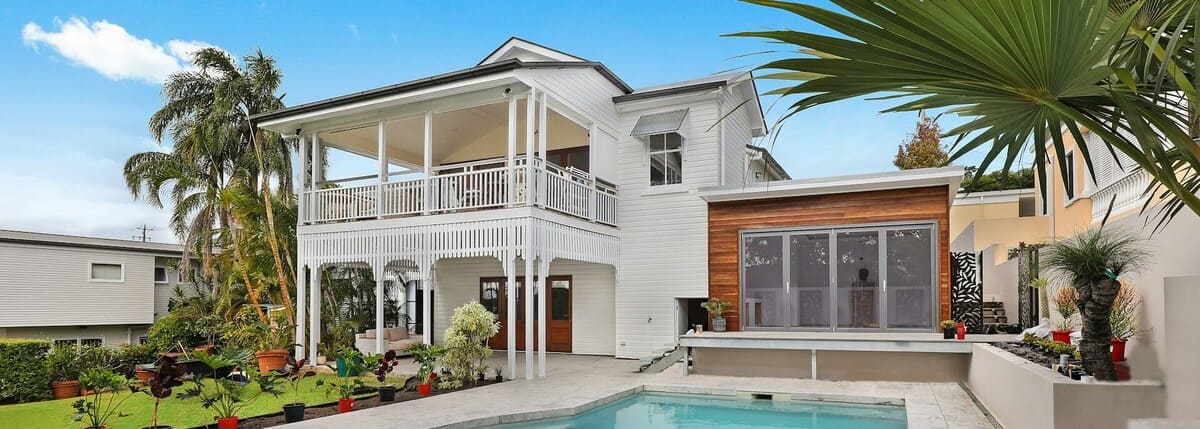
In conclusion, below we sum up the reasons why property investors are buying property in Lisbon and refresh you on the requirements for buying property in the Portuguese real estate market.
Why buy property in Lisbon?
There are many good reasons for purchasing property in Lisbon. Some of the key advantages of buying property in Lisbon and Portugal overall include:
- No restrictions on foreign property investment
- Investing in a dynamic market with a high return on investment potential
- Low cost of living compared to most European countries
- Sublime climate with incredible summers and mild winters
- Top-quality education and healthcare services
Can foreigners buy property in Portugal?
Yes. There are no legal restrictions on foreigners buying property. However, it’s important to note that residency permits are required for non-EU citizens who intend to live in Portugal.
A Step-by-Step Guide to Buying Property in Lisbon, Portugal
Buying property in Lisbon, Portugal, is relatively straightforward for foreign property investors. Key steps include obtaining a Portuguese Tax Number (NIF), opening a Portuguese bank account, and presenting valid identification and proof of residency. You will also require the following documents for the process:
- Obtain a tax number: A Portuguese tax number, or Numero de Identificao Fiscal (NIF)
- Open a Portuguese bank account
- Provide a valid passport or other photo ID
- Have proof of address and documentation to prove your address
- Have a 20 percent down payment if financing through a loan
- Complete the loan application process
Find Your Dream Property with BE Global

BE Global Properties is the discerning property investors’ gateway to meticulously curated properties that transcend ordinary listings. If you are in search of your next dream home or investment property in the Portuguese luxury real estate market, look no further.
Explore our exclusive listings and work with our experts, who offer market insights for smart investment choices and exceptional customer service. Our goal is to find the property investment perfectly tailored to your lifestyle.
Contact BE Global Properties today and start your journey to find your global haven.
Frequently Asked Questions about Buying Property in Lisbon, Portugal
Can foreigners buy property in Lisbon?
Yes, buying a house in Lisbon, Portugal, is an exciting possibility for foreign real estate investors. There are no legal restrictions on foreigners buying property. However, it’s important to note that residency permits are required for non-EU citizens who intend to live in Portugal.
Is it expensive to buy a house in Lisbon?
Lisbon’s property prices are on the higher end compared to other parts of Portugal. The average asking price for property in Lisbon ranges from €9,051 per square meter in more upmarket neighborhoods like Santo António, while the greater Lisbon Metropolitan area offered options priced from €3,977 per square meter in neighborhoods like Campo de Santa Clara.
Additionally, the average asking price for property in the Lisbon city center is €6,934 per square meter in 2023, while in the Lisbon Metropolitan area, it is €4,935 per square meter.
Is it expensive to rent a house in Lisbon?
According to the latest cost comparisons for buying an apartment in Lisbon on Numbeo, the average monthly cost for a one-bedroom apartment in the city center is €1,397.67. In contrast, the average monthly cost for a one-bedroom apartment outside the center is around €1,023.73. Remember that these rent prices are just averages; prices can vary depending on size, location, and amenities.
Why choose Lisbon over other European cities?
Lisbon offers a compelling combination of lifestyle and investment potential with its vibrant international scene, growing tech sector, and cultural richness.
This attracts expats interested in investing in a second or third home located in a country with a moderate climate, easy access to other parts of Europe (thanks to Lisbon’s airport and transportation network), and excellent international schools for families.
Additionally, Lisbon’s solid rental market presents attractive opportunities for investors, with options ranging from luxury apartments to family properties.
Are there any international schools in Lisbon?
There are 30 international schools in Lisbon and the Greater Lisbon Area, making it one of the best cities for expat families to relocate to in Portugal. You can explore this Full List of International Schools in Portugal guide developed by Global Citizen Solutions.
The comprehensive guide includes a complete list of the country’s international schools to help you prepare your family for your big move.
Is it better to buy or rent in Lisbon?
Choosing between buying and renting in Lisbon depends on your long-term plans. Buying property in Lisbon is a beneficial long-term option. Lisbon’s stable property market growth suggests the potential for appreciation, making buying real estate an attractive option for long-term investors.
A good way to make your decision is to rent a property in a neighborhood that you are interested in living in, research the real estate market there, and consider the pros and cons of buying vs. renting.
What are the most popular areas to buy property in Lisbon?
Lisbon’s property market features several popular areas, particularly those concentrated in the city center. Here, neighborhoods like Baixa, Avenida da Liberdade, Bairro Alto, Parque das Nações, and Príncipe Real are highly sought-after for their vibrant atmosphere and upmarket properties in prime locations.
Is it a good idea to invest in property in Lisbon?
Property acquisition in Lisbon is a good investment. The market is stable with growth potential, foreign ownership is welcomed, and the overall cost of living makes investment more attractive. However, consider your goals carefully.
Where is the best place to live in Portugal?
The best place to live in Portugal ultimately depends on your needs and priorities. Portugal caters to various lifestyles, including Lisbon’s vibrant city atmosphere, Porto’s historic and cultural authenticity, and the Algarve’s stunning beaches and laid-back coastal lifestyle.
What is the current state of the real estate market in Lisbon?
Lisbon’s real estate market is experiencing steady growth, driven by strong demand from foreign investors. This has led to rising real estate prices, reaching €6,934 per square meter in the city center in 2025.
Where to buy cheap property in Lisbon?
The neighborhoods of Penha de França, Campo de Santa Clara, and Olivais in Lisbon are more affordable areas to buy property. Property prices in Penha de França stand at €4,644 per square meter, while prices in Campo de Santa Clara and Olivais are €3,977 and €5,697 per square meter, respectively.
Is buying property in Lisbon a good investment?
Investing in residential and commercial properties in Lisbon, Portugal, is a good investment. From modern apartments to coastal villas in the Greater Lisbon Area, you can find a number of investment options at affordable prices compared to other major cities in Europe.
Lisbon is a culturally rich and picturesque city and a major tourist hub. Purchasing foreign real estate and entering the long—or short-term rental market can be a lucrative investment. Rental yields in the Lisbon Metropolitan Area are currently at 6.8 percent.
What are the pitfalls of buying property in Lisbon?
Buying property in Lisbon can be exciting, but there are potential pitfalls. These include navigating complex legal issues like property titles or hidden debts, ensuring compliance with local regulations and taxes, and unexpected challenges related to the chosen location. Using a local real estate agent or buyer’s agent is highly recommended to avoid these issues.
Are there any restrictions to buying a house in Lisbon as a foreigner?
Foreigners can buy property in Lisbon without legal restrictions, making it an attractive option for international buyers. However, non-EU citizens planning to reside in Portugal must secure a Portuguese residence permit through one of the many visa options the country offers.
Where are the best neighborhoods to buy a house in Lisbon, Portugal?
The best neighborhoods to buy a house in Lisbon include Baixa, Avenida da Liberdade, Bairro Alto, Parque das Nações, and Príncipe Real. These areas are highly sought-after for their vibrant atmosphere and prime locations.
Do I need a lawyer when buying a house in Lisbon?
It is not mandatory to have a lawyer when buying Lisbon real estate, but it is recommended that you do. Working with a real estate lawyer will help you acquire the required paperwork and conduct thorough due diligence on the property you wish to purchase, offering you a seamless buying process and peace of mind.
What are the additional fees when buying a property in Lisbon?
In addition to the property’s asking price, there are a few essential costs to factor in. These costs include notary and registration fees, legal fees, Property Transfer Tax (IMT), Stamp Duty fees, and land registry fees.
How much do I need for a deposit payment?
The deposit for a property in Lisbon, Portugal, ranges between 10 to 25 percent of the property’s purchase price.
Is property in Lisbon expensive?
Property in Lisbon is considered expensive compared to other parts of Portugal, as it is the cosmopolitan capital city of the country. The average asking price in Lisbon City was €6934 per square meter, while in the Lisbon Metropolitan area, it is €4,935. Sales prices are often lower but can occasionally exceed these averages.
Is property cheap in Lisbon?
Property in Lisbon is relatively expensive compared to other areas of Portugal, as its the nation’s cosmopolitan capital. The average asking price in Lisbon City was €6934 per square meter, while in the Lisbon Metropolitan area, it is €4,935. Sales prices are often lower but can occasionally exceed these averages.
What is the average price of a property in Lisbon?
Asking prices for property in Lisbon average €6,934 per square meter within Lisbon City and €4,935 in the metropolitan area. Actual sales prices may vary, sometimes exceeding these figures, but are often slightly lower than the asking prices.
Where do most expats live in Lisbon?
Most expats in Lisbon live in neighborhoods like Alcântara and Anjos, favored by digital nomads and young professionals for their modern vibe. Alfama and Graça appeal to those seeking authentic Portuguese charm, while Estrela and Lapa are family-friendly areas often chosen for their quiet and community-oriented atmosphere.
Where can I find Lisbon real estate beachfront properties?
To find Lisbon real estate beachfront properties, focus on coastal areas like Cascais and Estoril in the Greater Lisbon Metropolitan Area. Begin your search on online listing websites like BE Global Properties and consult real estate agencies. For personalized assistance, contact a real estate agent or buyer’s agent to guide you. You can also discover more in our real estate investment Cascais guide.
Is now a good time to buy property in Lisbon?
2025 and beyond is an excellent time for foreign investors to buy property in Lisbon despite higher housing prices. Rental income yields, which reached 6.7 percent in 2023, make both residential and commercial properties strong investments. Luxury and family properties are especially promising, with more affordable options available outside the city center in the Greater Lisbon Metropolitan Area.
What is IMT tax?
IMT, or Municipal Tax on Onerous Transmissions of Real Estate, is Portugal’s property transfer tax. It must be paid before completing a purchase and is calculated on the property’s price or declared deed value. Rates range from 0-8 percent based on property factors or a fixed 10 percent for buyers from blacklisted jurisdictions.
Is it worth buying property in Lisbon?
Buying property in Lisbon is worth considering due to its rising property values, vibrant lifestyle, and growing tourism industry, which offer solid investment potential. The city attracts families, retirees, and young professionals with its affordable cost of living, booming tech scene, pleasant climate, and a blend of old-world charm and modern amenities.
Is Lisbon property overpriced?
Lisbon’s housing market has experienced substantial price increases, yet it remains competitive compared to other European capitals. While prices for central properties reflect the city’s rising demand, consulting real estate professionals can reveal investment opportunities and better deals. You will find more affordable options are available in areas outside the city center and downtown Lisbon.
What are the legal requirements for foreigners buying property in Lisbon?
To buy property in Lisbon, foreign investors must obtain a Portuguese tax identification number (NIF), open a Portuguese bank account, and provide photo identification, such as a passport and proof of address. Required documents include the contract of sale, Energy Performance Certificate, Stamp Duty receipt, and a Land Registry document.
How does the property buying process work in Lisbon?
The property buying process in Lisbon involves the following steps:
- Decide if you need a mortgage
- Find your ideal property
- Negotiate terms
- Reservation Agreement
- Sign the Promissory Contract
- Finalize with the Escritura (Final Deed)
What are the associated costs of buying a house in Lisbon?
Additional costs when buying a house in Lisbon include notary and registration fees, attorney charges, transfer taxes (IMT), stamp duty fees, and land registry expenses. These costs are in addition to the property’s purchase price.
What are the best areas in Lisbon to buy property?
The best areas to buy property in Lisbon vary based on individual needs. The city center, including Baixa, Avenida, Bairro Alto, and Principe Real, is highly sought after. Families might prefer Estrela or Lapa, while Arroios and Anjos appeal to young professionals.
What are the steps for buying property in Lisbon, Portugal as a foreigner?
The process is similar for residents. To buy property in Lisbon as a foreign investor, you will need to decide if a mortgage is needed, find your ideal property, negotiate terms, sign a Reservation Agreement, proceed with the Promissory Contract, and finalize the purchase with the Escritura (Final Deed).
How to find the best real estate agents for buying property in Lisbon?
To find top real estate agents in Lisbon, focus on online reviews, personal recommendations from locals or expatriates, and checking credentials. Prioritize agents with expertise in the Lisbon market and experience assisting expats like yourself.
What are the financing options available for buying a house in Lisbon?
Foreign buyers in Lisbon can access mortgages from over 15 Portuguese banks, offering both fixed and variable interest rates. Non-residents typically receive 60-70 percent financing based on the property’s purchase price or appraisal, though this loan-to-value ratio may vary depending on the bank chosen for the mortgage.
What taxes and fees should I expect when buying real estate in Lisbon?
When buying real estate in Lisbon, expect to pay Property Transfer Tax (IMT) and Stamp Duty at purchase, along with annual Municipal Property Tax (IMI). Additional costs include legal fees, real estate agent fees, Notary fees, and land registration fees, all of which are essential parts of the process.
How long does it typically take to complete a property purchase in Lisbon?
The process of buying property in Lisbon typically takes 1-4 months. This period includes conducting due diligence, gathering required documents, and completing other necessary steps. However, the timeline can vary, with some purchases being completed more quickly or taking longer, depending on specific circumstances.
What should I know about the Golden Visa program when buying property in Lisbon?
The Portugal Golden Visa’s real estate pathway is no longer available. However, other options remain, such as the popular Golden Visa investment funds route.
How to negotiate property prices when buying a house in Lisbon, Portugal?
To negotiate property prices in Lisbon, research market values, understand the seller’s motivation, and prepare a fair offer. Enlisting a skilled real estate agent or buyer’s agent can help leverage their negotiation expertise.
What are the pros and cons of buying a newly built vs. an old house in Lisbon?
Newly built houses in Lisbon offer modern amenities and lower maintenance, but they tend to be more expensive. In contrast, older homes provide historic charm and renovation potential, though they require higher maintenance. Your budget and long-term plans are key factors in determining the best choice for you.
What documents are needed for buying real estate in Lisbon?
To buy property in Lisbon, foreign investors need a Portuguese tax identification number (NIF), a Portuguese bank account, photo identification (e.g., passport), and proof of address. Necessary documents include the sale contract, Energy Performance Certificate, Stamp Duty receipt, and Land Registry document.
How to manage property maintenance and rentals after buying a house in Lisbon?
To manage property maintenance and rentals in Lisbon, hire a property management company, schedule regular inspections, and create clear rental agreements. Local services help ensure smooth operations and safeguard your investment. Goldcrest offers property set-up, management, maintenance, and leasing for long-term rentals, assisting with all aspects of property care.
How to find affordable real estate options in Lisbon’s competitive market?
To find affordable real estate in Lisbon’s competitive market, explore emerging neighborhoods and consult with local real estate or buyer’s agents. Their expertise can help identify attractive investment opportunities that might offer better value compared to the city’s more saturated, high-demand areas.
What legal pitfalls should I avoid when buying property in Lisbon as a foreigner?
When buying property in Lisbon as a foreigner, avoid legal pitfalls by ensuring you have all the required documents, understand local regulations, and hire a reputable lawyer. Conduct thorough due diligence to protect your investment and minimize the risk of legal issues throughout the purchasing process.
What is the process for buying a house in Lisbon for non-EU citizens?
The process is similar for EU citizens. To buy property in Lisbon as a foreign investor, you will need to decide if a mortgage is needed, find your ideal property, negotiate terms, sign a Reservation Agreement, proceed with the Promissory Contract, and finalize the purchase with the Escritura (Final Deed).
What are the benefits of buying property in Lisbon, Portugal?
The country’s stable real estate market, the potential for property appreciation, and a high quality of life that remains affordable compared to other Western European countries and the USA are all benefits of buying property in Lisbon.
Can Americans buy property in Lisbon?
Yes, Americans can buy property in Lisbon. American citizens will need to a Portuguese tax number (NIF) and appoint a tax representative. It is also advisable to open a Portuguese bank account to minimize transaction fees.
The process involves searching for a property, securing financing, making an offer, signing a promissory contract, and finalizing the sale. If you plan to relocate to Portugal, you will need a residency permit. Popular options include the D7 Visa, Golden Visa, and Digital Nomad Visa.
What is the role of a notary in the property buying process in Lisbon?
A notary verifies and authenticates documents, ensures legal compliance, registers the property transfer, and oversees the signing of the final deed.
Can foreigners get a mortgage for buying property in Lisbon?
Foreign investors can obtain mortgages from Portuguese banks, with more than 15 banks offering financing options to foreign buyers.
Is Airbnb profitable in Lisbon?
Yes, Airbnb can be profitable in Lisbon due to high tourist demand and occupancy rates, especially in central areas. Profitability depends on location, property quality, and seasonality. If you are considering renting out your Portuguese property in the short term, you will need to obtain an Alojamento Local (AL) license. The AL License is a license that investors are required to have in order to rent out their property short-term.
What is the average rental yield in Portugal?
Portugal’s average rental yield typically ranges from 4 to 7 percent, depending on location. The average yield in the Lisbon Metropolitan Area is 6.8 percent, and in Lisbon City, it stands at 5.2 percent.
What is a good rental yield?
Higher yields often indicate a favorable return but might involve greater risks, while lower yields can be more stable but less profitable. A good rental yield generally falls between 5 to 8 percent, providing a balance between income and investment risk.
What are the pitfalls of buying a property in Portugal?
Buying property in Lisbon can be exciting, but there are potential pitfalls. These include navigating complex legal issues like property titles or hidden debts, ensuring compliance with local regulations and taxes, and unexpected challenges related to the chosen location. Using a local real estate agent or buyer’s agent is highly recommended to avoid these issues.
Is Lisbon expensive to buy property?
Buying property in Lisbon is considered to be more affordable compared to other European capitals. Asking prices for property in Lisbon average €6,934 per square meter within Lisbon City and €4,935 in the metropolitan area. Actual sales prices may vary, sometimes exceeding these figures, but are often slightly lower than the asking prices.