
Portugal, a beautiful Western European country nestled on the Iberian Peninsula, has become an attractive destination for real estate investment in Europe. From the cosmopolitan capital of Lisbon to the stunning Atlantic coastline of the Algarve, the country offers a number of property investment opportunities for expats and investors alike.
Families seeking a great quality of life and savvy investors chasing high-potential opportunities are drawn to Portugal’s thriving real estate market. For those dreaming of a bespoke home and bringing their vision of a dream house to life, construction in Portugal is an exciting opportunity and an affordable adventure.
While the process demands time and careful planning, it allows for the creation of a residence perfectly tailored to individual preferences. Plus, land prices in Portugal are fairly affordable compared to other European countries. Affordable land prices and comparatively lower construction costs make building your dream home a financially viable option.
In this guide, we will explore Portugal’s construction landscape, from evaluating the affordability of land to understanding residential construction costs. We will also equip you with the tools to navigate the benefits and challenges of undertaking construction projects in Portugal.
An Introduction to Construction in Portugal

Portugal is an attractive destination for property investment due to the country’s steadily growing real estate market that promises strong returns. As a foreign investor buying property in Portugal, you can benefit from the fact that foreign property ownership is not restricted and it is seamlessly possible to buy land, property, or start your own construction project in the country.
The 2024 Global Peace Index ranked Portugal as the seventh safest country in the world. Portugal also offers an appealing lifestyle with its low cost of living, excellent education and healthcare, and a pleasant climate featuring warm summers and mild winters.
The country’s architecture is also a visual delight, ranging from Lisbon and Porto’s iconic tile-covered façades to the whitewashed houses with blue accents typical of Tavira in the Algarve or Ericeira on the Silver Coast.
Portugal’s construction industry combines tradition with innovation, embracing sustainable techniques to minimize environmental impact while expediting projects. The Portuguese luxury real estate sector continues to attract international investors and property buyers who value both lifestyle and financial security.
Over the past few years, Portugal has been determined to increase investment in public and private housing and public infrastructure, which will be rolled out in the following categories over the next few years.
- New projects – Over the next few years, Construction projects will include several new buildings intended for commercial and residential use.
- Public projects -The high-speed rail project and its continuing construction of the Lisbon to Porto railway connection are good examples of ongoing public construction projects.
- Private projects – According to the Portugal Resident, foreign direct investment (FDI) in Portugal has increased by 55 percent in the last 10 years, and the property sector contributed to the growth. A significant increase in private-sector investment is expected, particularly in new residential construction projects.
According to The Portugal News, Portugal is also adopting several global construction and design trends, including wellness—and sustainability-focused construction practices, renewable energy projects, and the use of technology and Artificial Intelligence (AI) to transform the luxury property buying process.
Price Review: What is the cost of building a house in Portugal?
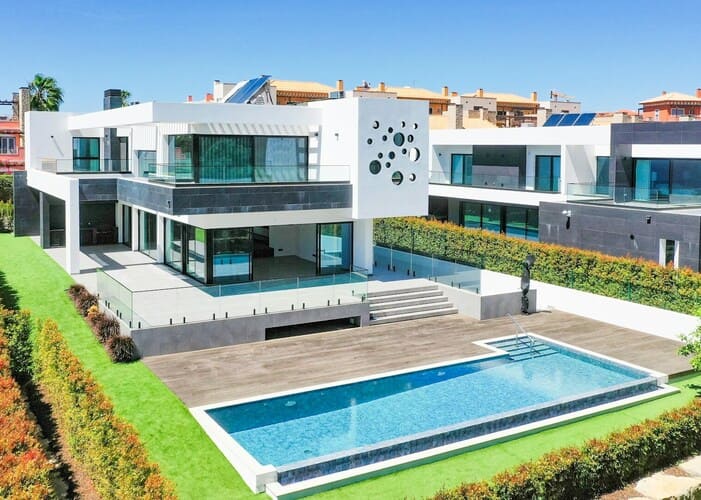
The cost of building a house in Portugal depends on several factors, including the type of home, location, and overall project scope. Construction costs generally range between €2,000 to €2,500 per square meter. However, this is the general range, and costs may be lower or higher than this. For example, building luxury villas in Portugal near the coast will cost more than building a modest home in the countryside.
Additional expenses include the purchase of land, which varies widely depending on the location and amenities. For instance, land prices can range from €2,500 for a 2,320-square-meter plot in Leiria to €60,000,000 for a 32,675,000-square-meter plot in Setúbal. Developed properties, such as homes, can range from €5,000 per square meter in areas like Albufeira in the Algarve to €12,000,000 for larger developed plots in sought-after locations like Setúbal.
When planning a residential project, factors like infrastructure construction projects, renewable energy initiatives, and private construction contracts determine costs. Engaging project management expertise can be valuable during the construction phase to address elements such as the health and safety plans, construction contract negotiations, and background intellectual property rights tied to the project.
For those exploring Portugal’s construction market, regions like the Algarve, Lisbon, Alentejo, and the Silver Coast are popular, though more affordable land can be found in central and northern Portugal for €100–€200 per square meter.
Whether focusing on residential or commercial construction, understanding the local market through detailed Portugal construction market analysis will ensure a smoother, less complicated process for less complex projects. You can also learn more about owning property in Portugal in our total cost of ownership guide.
Design-Build: Planning Your Construction Project in Portugal

When planning your construction project in Portugal, you need to consider several aspects. We explore these in more detail below.
Consider your timeline
Consider your timeline carefully when buying property in Portugal. If you plan to relocate soon, building private construction works may not suit your needs. Construction activities in Portugal often take two to three years and can sometimes extend beyond this timeframe.
It is essential to account for potential delays with residential projects and the extended duration required for permits, design, acquirement of solar panels for renewable energy projects, and other construction sector requirements such as appointing a safety coordinator and other licensing procedures.
If your timeline is tight, consider purchasing an existing property instead. Being realistic about your timeline will help you make a more informed decision and ensure a smoother transition to life in Portugal.
Choose the perfect location
The first decision when buying property in a foreign country is choosing the right location. Our best places to buy real estate in Portugal guide can help you explore your options. Land outside hotspot areas tends to be cheaper. However, proximity to amenities and public transportation links is an important factor to consider, especially for families who will also need to consider the nearest schools and healthcare facilities or if you are seeking to build a property to rent out.
Access to good restaurants, supermarkets, or natural parks for weekend outings may also influence your choice. If a home along the Atlantic Ocean offering coastal views from an upstairs balcony or a location near nature are your dreams, these factors should be part of your planning.
Additionally, real estate development, construction sites, and potential public contracts for construction projects in the area can affect your decision. You should also remain aware of contractual obligations tied to private contracts or construction work.
Understanding the Portuguese civil code and Portuguese civil liability principles can help clarify rights and responsibilities related to property purchases. Careful consideration of these factors ensures you choose a location that aligns with your lifestyle and long-term plans.
Understand local regulations
Understanding local regulations is crucial when constructing a property in Portugal. The Portugal construction market size and its emphasis on Portuguese civil liability principles highlight the importance of compliance and accountability.
Industrial construction projects must adhere to strict zoning regulations and building codes, especially when the land lies in protected environmental areas. Before purchasing land, it’s essential to confirm with the local municipality that construction is permitted and to identify any restrictions on infrastructure construction.
Ensuring that zoning and building codes align with your project is vital to avoid legal and financial repercussions. Additionally, contractors remain liable under Portuguese contractual civil liability for adhering to these regulations throughout the project.
These factors highlight the necessity of thoroughly understanding local requirements and working with experienced professionals familiar with Portugal’s construction landscape.
Building Permit Portugal: How to get a building permit in Portugal?

To obtain a building permit in Portugal for constructing a property, you must meet specific legal criteria and follow a structured process. Begin by drafting contract documents for your project, ensuring they outline all contractual obligations.
We recommend working with an experienced lawyer who can help you navigate direct agreements and comply with the public procurement code, particularly for private investments.
The contract must be signed by a certified construction company registered with the National Building and Real Estate Institute (INCI). At this development stage, qualified professionals, such as architects or engineers, are essential to supervise engineering projects and ensure compliance.
Additionally, having a project manager ensures operations run smoothly and adhere to the agreed standards. By following these steps and working with reputable construction companies in Portugal, you will easily secure your building permit.
Preliminary Considerations Before You Begin Construction

Before beginning your construction project in Portugal, there are several preliminary considerations to ensure a smooth process. After identifying and confirming a suitable location free from building restrictions, the next step is securing the land.
Work with professionals
We recommend working with an experienced real estate professional who can help with negotiations during the buying process and a lawyer to navigate legal regulations. These professionals will be able to ensure the land purchase complies with local laws.
You can also consider working with a property surveyor who will be able to verify property boundaries and address potential issues such as easements or encroachments. Additionally, conducting a soil test is a critical step in assessing whether the land’s composition can support sturdy foundations for your planned property.
Design your build
Architectural design is another key consideration. It will be valuable to work with an architect who is familiar with your vision and traditional Portuguese styles, such as Manueline, Pombaline, or Alentejo. Incorporating local aesthetics and heritage into your design fosters harmony with the surrounding environment. For inspiration, consider innovative examples from Melides in the Alentejo, where architecture blends seamlessly with natural landscapes and traditional elements.
Research land use and amenities
It is also vital to account for zoning and land-use regulations, as these dictate how land can be developed to preserve Portugal’s natural beauty. Some areas, particularly protected natural zones, may have additional environmental restrictions limiting development.
Before purchasing, assess the availability of essential utilities and amenities on the land, such as water, electricity, Wi-Fi, and waste disposal services. Ensure the property has proper access to necessary services like irrigation and health and safety facilities. For design-build projects, keep in mind that the contractor remains liable for the construction, adding a layer of accountability to the process.
Building a House in Portugal: A Step-by-Step Guide

In the sections below, we provide you with a step-by-step guide to building a house in Portugal so that you can start planning your construction projects.
Step 1: Laying the foundations
Laying the foundations is the first step in any construction project in Portugal, ensuring stability and durability for the structure. The choice of foundation depends on the land characteristics, with shallow foundations being more environmentally friendly and deep foundations ideal for larger properties.
Construction companies in Portugal will guide you in selecting the most suitable option. The process involves site preparation, excavation, pouring concrete footings, and building foundation walls. Proper drainage and waterproofing are essential factors to protect the structure and enhance its longevity, especially in areas with heavy rainfall or moisture.
Step 2: Structural framing and roofing
After laying the foundations, structural framing begins. This part involves building walls, floors, and the roof. In Portugal, timber framing and concrete block construction are popular methods chosen based on budget, architectural design, and local building practices.
Construction companies can help you select the most suitable approach for your project. Roofing typically features traditional clay tiles, which are valued for their aesthetic appeal and durability.
These tiles are particularly suited to the Portuguese climate, offering resilience against weather conditions while maintaining a classic and authentic look that complements the region’s architectural heritage.
Step 3: Plumbing, electricity, and insulation
Once the structure and roof are completed, you will need to think about installing plumbing, electricity, and insulation. Proper insulation is crucial for improving energy efficiency, even in Portugal’s mild climate. While winters can be cold, effective insulation ensures a comfortable indoor environment.
Working with licensed professionals in Portugal is essential, so be sure to hire a licensed plumber for the water system and a licensed electrician for the electrical setup. Taking these steps will ensure the services are installed correctly, meeting safety and quality standards while preparing your home for sustainable and efficient living.
Step 4: Interior design and landscaping
This is the final phase, with only the interior finishes, like wall treatments, painting, and flooring, remaining to tailor the space to your exact preferences. This is the perfect stage to bring your personal style to life. In Portugal, interior design often embraces natural materials such as stone, ceramic tiles, and wood, offering a timeless and rustic charm.
For the outdoor space, working with professional landscape gardeners allows you to design a garden that complements the home and suits your lifestyle, creating a harmonious blend of interior and exterior that fully reflects your vision.
Tips for a Smooth Construction Process

Construction projects may take longer than expected, so it’s important to work with reliable construction companies if you want a hassle-free building process. In the sections below, we explore a few ways you can ensure your construction projects are seamless.
Construction Companies Portugal: Working with trusted construction companies
When planning construction projects in Portugal, it’s essential to work with trusted, licensed construction companies experienced in local regulations and practices. Seek recommendations from friends or acquaintances to identify reliable options and ask targeted questions about their experience assisting expats in situations like yours.
Clear communication and well-defined expectations from the beginning are crucial. Ensure contracts are comprehensive, covering every aspect of the project to prevent misunderstandings later. Maintain open communication with your chosen company to address issues promptly and stay informed about any setbacks or delays.
Managing timelines and your expectations
When managing timelines and expectations for construction of Portugal real estate, develop a realistic schedule that accounts for potential delays from weather, materials, or regulatory approvals. Be prepared to revisit suppliers if needed. Regularly monitor progress and adjust schedules as necessary, maintaining transparent communication with all stakeholders about timelines and setbacks.
Anticipate cultural differences and adapt management approaches to foster smooth collaboration. Partner with a project manager experienced in local construction operations and project management, particularly someone who has worked on similar projects, including those for expats. Their expertise can help navigate challenges and ensure the project stays on track efficiently.
Budgeting for Your Construction Project

Budgeting for your construction project in Portugal is a critical step that should be undertaken as early as possible. Understanding the average costs and key factors that influence prices is essential. For instance, the type of property, its size, the level of luxury, and desired amenities all play a significant role in determining costs.
While it can be challenging to save money without sacrificing quality, it is possible. Prioritizing cost-effective materials and using efficient construction methods can help speed up the process while keeping costs down. Working with top construction companies with expertise in budgeting can offer invaluable advice.
Additionally, working with an experienced project manager can help streamline communication with suppliers and assist in price negotiations. Collaboration with architects and contractors is also essential, as they can help identify areas where costs can be reduced without compromising on the overall quality of the project.
Understanding Taxes and Additional Expenses
In the sections below, we briefly explore some of the additional costs and fees to be aware of when buying land and undertaking construction projects in Portugal.
Property taxes
Property buyers and owners must pay property taxes at the time of purchase and on an annual basis. Our comprehensive property taxes in Portugal guide offers a more in-depth look at these taxes.
However, keep in mind that during the purchase process, taxes include Property Purchase Tax (IMT) and Stamp Duty, while taxes that you will be required to pay annually include Municipal Property Tax (IMI).
Notary and legal fees
A Notary, a private entity, is responsible for providing you with the official certified documents confirming your property ownership before you undertake your construction projects. Both the Promissory Contract and the Escritura or final deed should be signed in front of the Notary, and Notary fees usually cost between €500 and €1,000. When it comes to legal fees, real estate lawyers in Portugal usually charge between €2,000 and €5,000.
Additional fees: Land registration
Following the signing of the Final Deed (Escritura), the final contract is sent to the Land Registry, where a fee of €250 must be paid.
How can BE Global help you find your dream property?

BE Global Properties is the discerning property investors’ gateway to meticulously curated properties that transcend ordinary listings. Look no further when searching for your next dream home or investment property in the Portuguese luxury real estate market.
Explore our exclusive listings page and work with our experts, who offer market insights, smart investment choices, and exceptional customer service to find the property investment for sale that is perfectly tailored to your lifestyle.
Contact BE Global Properties today and start your search to find your global haven.
Frequently Asked Questions about Construction in Portugal
Should I build a home in Portugal?
For long-term plans, building a home in Portugal is an affordable way to create your dream property and an excellent option, as Portugal is also home to many good construction companies. However, it is important to note that infrastructure construction can take time, so if you’re hoping to move in quickly, building from scratch may not be ideal.
How do I find the right stakeholders to assist me with my building project in Portugal?
To find the right stakeholders for your infrastructure construction projects in Portugal, look for experts with operations and project management experience who can guide you from planning through execution. Be sure to choose partners who have worked with expats and seek advice from professionals in various sectors, including plumbing, architecture, and project management.
How much does it cost to build a home in Portugal?
The cost of building a house in Portugal depends on several factors, including the type of home, location, and overall project scope. Construction costs generally range between €2,000 to €2,500 per square meter. However, this is the general range, and costs may be lower or higher than this. Additional expenses include the purchase of land, which varies widely depending on the location and amenities.
How to find a good construction company in Portugal?
To find a good construction company in Portugal, seek firms with experience in projects similar to yours and a history of working with expats. Check their credentials and references, especially from trusted contacts. When reaching out, ask targeted questions about their approach to managing construction projects and their experience working with expats in a similar position to your own.