

With its stunning beaches, rich gastronomy, and warm, welcoming locals, Portugal offers an enviable lifestyle. As one of Europe’s most affordable countries, it has attracted expats and digital nomads to its shores for years. Lisbon, its vibrant capital, is a top choice. However, while Lisbon remains considerably cheaper than many other major Western European cities, what is the cost of living in Lisbon Portugal? Here we reveal all.
From buying property to dining out or managing everyday expenses, understanding current costs is crucial for anyone considering a move to Portugal’s capital. Whether you’re set on relocating to Lisbon or are still weighing your options, this comprehensive guide delves into the latest estimated monthly expenses in Lisbon. It will equip you with all the necessary insights to navigate life in this sunny city, balancing affordability with the perks of modern urban living.
Is Lisbon an affordable city?

“Is Lisbon expensive?” is probably one of the first questions that come to mind when you are considering relocating to this vibrant city. Lisbon is considered to be an affordable city compared to the capitals of other European countries. However, it is important to note that Portugal has a lower-than-average minimum wage, which currently stands at €870 for 2025. It is also worth mentioning that the Lisbon cost of living will depend on your individual lifestyle. Keep in mind that the cost of living in Portugal, compared to other European countries, is fairly affordable.
Lisbon is the capital city of Portugal, so naturally, the cost of living will be higher than that of other cities in the country. Despite this, the city offers exceptional value for money in various aspects. Public transport and dining out, for instance, are relatively affordable compared to other European capitals.
Additionally, Lisbon provides free public education to citizens and foreign residents, and the city has a great public healthcare system that is both accessible and economical for residents. While certain expenses may be higher, the overall cost of living in Lisbon per month, as we’ve mentioned, is greatly influenced by individual situations and lifestyle choices.
According to Numbeo, the estimated monthly cost for a family of four in Lisbon without rent is € 2,644, while a single person’s estimated monthly cost is €744 without rent in 2025.
Housing Costs in Lisbon
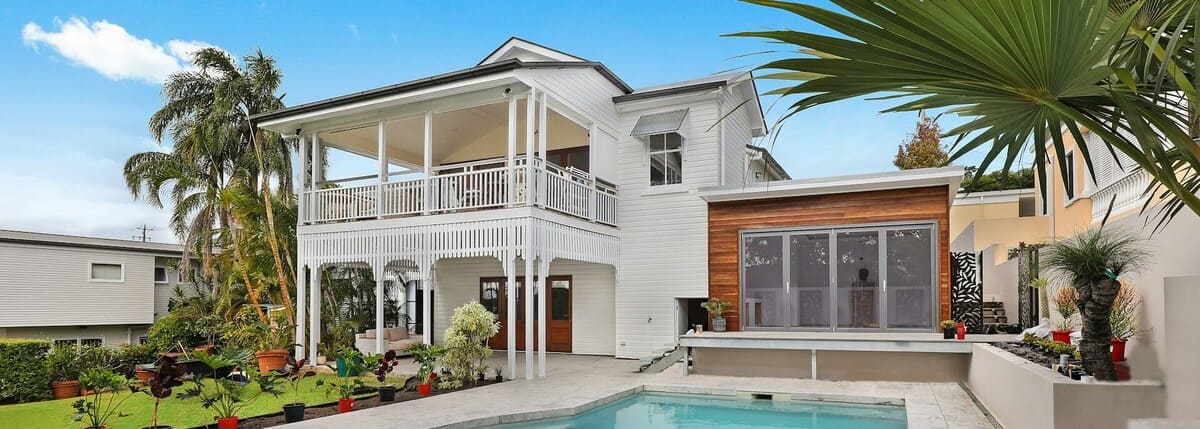
In the sections below, we will explore the cost of living in Lisbon, Portugal, when it comes to buying or renting property.
Buying property in Lisbon
Property in Portugal is generally more affordable than in other countries in Western Europe. However, prices in the Lisbon real estate market have been increasing over the past few years, and housing costs such as maintenance and utilities must be taken into account.
In 2024, the average asking price for a house in Lisbon city center was €6,934 per square meter. In the Greater Lisbon Area, the average asking price was €4,935 per square meter. Note that the purchase price can be higher or lower than the asking price—although it is usually lower—so keep this in mind when negotiating with the seller.
Average rent prices in Lisbon: Estimated monthly costs
According to Numbeo, when renting property in Portugal, you can expect to pay an average of about €20 per square meter per month for an apartment in Lisbon. Below, we provide you with a few price brackets to consider:
- A one-bedroom apartment in the city center – €1,408
- A three-bedroom apartment in the city center – €2,630
- A one-bedroom apartment outside the city center – €1,090
- A three-bedroom apartment outside the city center – €1,710
Note that the price of the rental apartment will depend on factors such as size, location, amenities offered, and age. Some apartments include utility costs in the rental price; for others, you’ll be required to pay extra for them.
Cost of Everyday Expenses in Lisbon

In the sections below of our cost of living in Lisbon guide, we will explore the prices of everyday essentials, from home utilities to essential medical services.
Utilities
Understanding the cost of utilities is key to assessing the overall cost of living in Lisbon. On average, basic utilities—including electricity, heating, cooling, water, and garbage—cost around €125.68 per month for an 85m² apartment.
Internet services (60 Mbps or more) add approximately €36.61 to your monthly expenses, while a mobile phone monthly costs with 10GB of data will cost around €19.54 per month. While Lisbon’s mild climate helps keep heating costs low for much of the year, chilly winters can lead to higher utility bills. Bear in mind that many properties in Portugal, particularly the older ones, don’t have heating and it can get very cold in the winter months. Ultimately, your utility costs will vary depending on your consumption and lifestyle.
Transportation
Transportation costs are a key factor when assessing the cost of living in Lisbon, and fortunately, getting around the city won’t break the bank. Public transportation, including buses, the Metro, and the iconic yellow trams, is both affordable and convenient. A one-way Metro ticket costs €1.50, while a regular monthly pass is €40.
The Metro is often the quickest option, especially during rush hour. For intercity travel, public transport remains budget-friendly. Taxis are reasonably priced, but ride-sharing apps like Uber and Bolt usually offer even better deals. If you drive, expect to pay around €2.03 per liter for gasoline.
Healthcare Portugal: Cost of healthcare
Healthcare in Lisbon is both high-quality and affordable, contributing to the city’s appeal as a place to live. Portugal’s healthcare system is ranked 12th globally by the World Health Organization, offering nearly free services to residents and citizens, with only minimal fees. For foreigners, some procedures incur costs, but these remain relatively low.
A visit to the emergency room, diagnostic exams, or specific doctor appointments may require fees, with routine checkups typically costing around €40. Public healthcare is generally cheaper than private options, though private healthcare and private health insurance are also affordable. Doctor visits cost between €20 and €30, and annual private insurance starts at €400.
Cost of Food in Lisbon

This section of the cost of living in Lisbon guide will explore grocery prices and the cost of dining out when in Lisbon.
Grocery prices
Groceries play a crucial role in everyday life and understanding the cost of living in Lisbon, and the good news is that food prices are generally quite affordable. With a monthly budget of €300 to €400, you can comfortably cover your grocery needs. Fresh produce, including meat, fish, vegetables, and fruit, is not only reasonably priced but also of excellent quality.
Much of this produce is locally sourced—think juicy Algarve oranges, flavorful local cheeses- try the ones from the Azores or Serra da Estrela, and fresh dourada fish (bream). To stretch your budget further, shopping at local markets often offers even better deals. The table below shares prices of a few daily essentials in Lisbon, so you know what to expect when doing your weekly shopping.
[wptb id="10005" not found ]Cost of restaurants and eating out in Lisbon
Lisbon has established itself as a top-tier culinary destination, winning the 2024 Best Culinary Destination in Europe award at the World Culinary Awards. This puts it ahead of renowned food capitals like Barcelona, Copenhagen, Florence, London, Paris, and Vienna.
The city offers a diverse dining scene, from small, family-run restaurants called tascas serving traditional Portuguese dishes like Bacalhau (a cod-based dish or dried salted cod) and grilled sardines to high-end establishments, including 53 Michelin-star standard restaurants. Alma and Belcanto are two fine dining restaurants in Lisbon that stand out with two Michelin stars each. You can discover more in our Michelin Star Restaurants Portugal guide.
Lisbon’s vibrant food culture is a testament to the Portuguese passion for dining out, making it easy to experience local flavors and community life. The cost of eating out varies widely, with meals at inexpensive restaurants starting at €13.22 and traditional tascas offering full lunches for around €8 or €10.
Dining out at a mid-range restaurant will cost approximately €55 for a three-course meal, while at luxury restaurants, you can expect to pay international prices.
Other Costs to Consider

In addition to the need to pay rent and transportation fees, as well as ensuring that you can afford groceries and utilities on a monthly basis, there are additional costs you will need to budget for. The section below on this cost of living in Lisbon guide explores these costs in more detail.
Cost of leisure and entertainment
Lisbon provides a vibrant and affordable leisure and entertainment scene compared to other cities in Western Europe. With reasonable living expenses and housing prices, residents and visitors can enjoy a diverse range of activities without breaking the bank.
Catching a movie
For cinema lovers, Lisbon offers a variety of experiences at accessible prices. Standard tickets at multiplexes like Cinema City Alvalade cost around €8, while film enthusiasts can explore independent screenings at Cinemateca Portuguesa or quirky cult classics at Black Cat Cinema.
Music events
Live music events cater to all preferences and budgets. Small venues feature rising artists and international acts for €10-€15, while larger concerts at historic venues like Coliseu dos Recreios range from €20-€30. Classical music fans can enjoy chamber recitals for €15 or symphony performances for €30. Open-air concerts, including free and low-cost options, further enhance the city’s musical landscape. For festival-goers, single-day passes typically start at €20, however you can expect to pay €100 and upwards for a three-day pass to large music festivals, like Meo Kalorama, featuring international artists.
Sports events
Sports enthusiasts can experience the thrill of a soccer match at Estádio da Luz, where tickets start at €20-€30, or enjoy a Portuguese basketball game at Pavilhão João Lobo within a similar price range. Beyond mainstream sports, Lisbon hosts a variety of athletic events, including tennis tournaments such as the Estoril Open, international rugby matches, skateboarding contests, formula one, and running competitions, offering diverse opportunities for spectators and participants alike.
Staying active
For fitness-minded individuals, monthly gym memberships cost between €30-€40, providing access to modern equipment, group classes, and swimming facilities. Those seeking alternative fitness activities can rent a tennis court for around €15.25 per hour on weekends. While these prices are generally lower than in other major European cities, they align with the local average salary, making Lisbon an appealing and budget-friendly destination for leisure and entertainment.
Childcare costs
Childcare costs in Lisbon vary depending on the type of service and the family’s specific needs. Hiring a babysitter typically costs between €10 and €12 per hour, and rates are influenced by factors such as experience, the time of day, and the number of children.
Evening and weekend services may be slightly higher priced, particularly for specialized care. Availability and affordability can differ across the city, making research essential. For younger children, daycare centers in the social and solidarity sector are free for citizens and residents born on or after 1 September 2021. These centers cover food, registration, insurance, and extended hours during the week for parents who will be picking their kids up later in the day.
State preschools, which are attached to primary schools, are also free but have limited spots, with priority given to families in disadvantaged social positions. Alternatively, IPSS crèches, partially subsidized by the government, require some family contribution.
Private nurseries and preschools cost between €350 and over €1,800 per month, depending on the institution and services offered. According to Numbeo, a full day at a private preschool or kindergarten will cost €532.71 per month for one child.
Educational costs
Lisbon provides both free and paid education options, with costs depending on the institution type. Public schools offer free education to Portuguese citizens and legal residents, maintaining a generally high standard of teaching. However, families seeking private education can expect to pay between €800 and €1,500 per month for primary through high school, excluding additional expenses such as book fees and enrollment charges.
For those considering international schools in Lisbon, the city offers a number of reputable institutions. The average monthly tuition is around €1,500, though costs vary between schools. As with private schools, families must also budget for extra expenses like enrollment fees, books, and other materials. According to Numbeo, the annual fee for one child at an international school in Lisbon will cost around €14,322.73 per year.
Higher education costs also differ based on the institution. Fees for public universities range from €1,000 to €2,000 per year for EU/EEA students. For non-EU/EEA students fees are higher ranging from €3,000 to €5000 per academic year. Despite tuition costs, Lisbon remains a relatively affordable city for students, with a lower cost of living than many other European capitals.
Clothing and personal care costs
Lisbon’s fashion scene caters to a variety of styles and budgets, offering diverse choices to match personal preferences. According to Numbeo, branded jeans such as Levi’s cost around €88, while a mid-range running shoe from brands like Nike is priced at approximately €77.
For formal wear, a pair of men’s leather shoes costs around €104. Compared to other Western European capitals, clothing in Lisbon remains fairly affordable, allowing residents to save money while maintaining a good quality of life.
Personal care products are generally in line with European averages, making them a manageable expense. However, as with all living costs, it is essential to consider prices in relation to local salaries.
While Lisbon is not an expensive city, and Portugal is significantly cheaper than many other Western European countries, budgeting for clothing and personal care is still important. With smart shopping habits, Portuguese people and expats can enjoy both affordability and style.
Extra costs
When budgeting for life in Lisbon, it’s important to consider extra costs, excluding rent that may arise. Household essentials like cleaning supplies and toiletries are generally in line with European averages, while electronics can be slightly pricier—so watching for local deals is a good strategy. Furnishing a home offers diverse options, from flea markets to design stores, with lamps and rugs typically starting at an average price of €50 to €100.
Unexpected expenses, such as appliance repairs or spontaneous weekend trips, should also be factored into your monthly budget. While Lisbon is a relatively cheap city compared to other European capitals, affordability depends on local salaries. Many expats find the cost of living reasonable, but planning ahead ensures a comfortable lifestyle.
By embracing Lisbon’s local culture and resourcefully managing expenses, you can maintain a good quality of life. With its balance of affordability and vibrant atmosphere, the city remains an appealing choice for both locals and newcomers alike.
Cost of Living in Lisbon Compared to the US

In this section, we will compare costs in two capitals: Lisbon, Portugal, and Washington, DC, in the USA. The differences in the cost of living between Lisbon, Portugal, and Washington, DC, are significant.
According to Numbeo, the cost of living in Lisbon is 42 percent lower than in Washington, DC, when excluding rent and 45.6 percent lower when rent is included. Housing is a major factor in this difference, with rent prices in Lisbon being 50.8 percent lower than in Washington, DC. For those looking to rent rather than buying property in Portugal, Lisbon offers a more economical option.
A one-bedroom apartment in Lisbon’s city center costs around €1,464 per month, while a similar apartment outside the city center costs approximately €1,121.24. In contrast, Washington, DC, has much higher rent prices, with a city-center one-bedroom costing €2,539.77 and a unit outside the city center priced at €2,082.91 per month.
Beyond housing, daily expenses are also more affordable in Lisbon. Restaurant prices are 44.1 percent lower, and grocery costs are 48.3 percent lower compared to Washington, DC. These differences highlight Lisbon’s affordability, making it an attractive option for those seeking a lower cost of living while still enjoying the amenities of a capital city.
Cost of Living in Lisbon Compared to the UK

Again, we will compare costs in two capitals: Lisbon, Portugal, and London, United Kingdom. Lisbon is significantly more affordable than London, making it an attractive option if you are looking to reduce your cost of living and live in a coastal country with over 300 days of sunshine.
According to Numbeo, the overall cost of living in Lisbon is 40.3 percent lower than in London when excluding rent and 43.2 percent lower when rent is included. Housing costs are a key factor in this difference, with rent prices in Lisbon being 47.7 percent lower than in London.
This affordability extends beyond rent, as restaurant prices in Lisbon are 40.7 percent lower, and groceries cost 29.8 percent less compared to London. Additionally, transportation and certain daily expenses are often more economical in Lisbon than in major UK cities like Edinburgh or Manchester.
However, while Lisbon offers a lower cost of living, income levels in the UK, including London, tend to be higher than those in Portugal. This income disparity can influence the financial considerations for expats or individuals relocating between the two countries.
Despite this, Lisbon’s affordability continues to attract individuals seeking a high quality of life at a lower cost. For those prioritizing lower expenses while enjoying a vibrant European capital, Lisbon presents a compelling alternative to London’s high costs.
How to Move to Lisbon, Portugal

Moving to Portugal and living in Lisbon has become an appealing prospect due to its affordability and diverse visa options offered by the Portuguese government. Among the notable choices are the Golden Visa and the D7 Visa, both offering pathways for individuals looking to relocate to the vibrant city of Lisbon. We explore these visa options in more detail below.
Portugal Golden Visa
By making a minimum investment of €250,000, the Portugal Golden Visa allows you to live in Portugal, with the possibility of securing Portuguese citizenship within five years through naturalization. The investment options available for the Portugal Golden Visa:
- Fund subscription: Make a contribution to a Portugal Golden Visa investment fund worth at least €500,000
- Investment or donation in the arts or reconstruction of national heritage with a donation of at least €250,000, which is also relevant to Portugal’s Cultural Production Golden Visa.
- Scientific Research: Science or Technology research contribution of at least €500,000
- Creation of ten jobs: Creation and maintenance of ten jobs during the required period
- Share capital and job creation: Incorporation of a company or reinforcement of a company’s share capital, in either case with an investment of €500,000, combined with the creation of five or maintaining ten jobs (five of them permanent)
D7 Visa Portugal
The Portugal D7 Visa is an appealing and cost-effective residency option for non-EU citizens who can demonstrate sufficient passive income to support themselves while living in Portugal. This visa is ideal for retirees, entrepreneurs, and other expats relying on a stable passive income source.
Qualifying income options include earnings from pensions, real estate, intellectual property, financial investments, or movable property. To qualify, applicants must meet the minimum income requirements set by the Portuguese government. The D7 Visa provides a pathway to residency, making Portugal an attractive destination for those seeking a high quality of life with a relatively low cost of living.
Exploring Visa and Immigration Options for Portugal

If you’re planning to move to Portugal, it’s important to explore the various visa and residency options available. The Golden Visa Portugal program offers residency to investors and their families, while the D7 Visa caters to retirees seeking to live in Portugal with sufficient passive income.
Digital nomads can benefit from the Nomad Visa (D8), available for both short and long stays. For entrepreneurs, Portugal’s D2 Start-up Visa supports those looking to launch a business, and the D3 Work Visa targets highly skilled employees. Additionally, individuals with Portuguese ancestry may be eligible for Citizenship by descent.
Our migration and residency partner, Global Citizen Solutions, will be able to guide you through the step by step process of moving to Portugal seamlessly and suggest which residency option may be best suited to your specific situation.
Be Global Properties: How We Can Help You

Portugal is a treasure trove when it comes to properties and you’ll find an array of unique options across the country, whatever property type you are looking for. Whether you are looking for a chic apartment in Lisbon, a spacious country home in the depths of the Alentejo, or a beach villa in Cascais, you will find Portugal can deliver.
BE Global Properties is here to help you find the property of your dreams. At BE Global Properties, we’ve painstakingly crafted a platform that surpasses conventional standards. It’s more than just a listing service; it serves as an exclusive portal to access some of the most remarkable properties worldwide, many of which can be found in Portugal.
Frequently Asked Questions about the Cost of Living in Lisbon
How much money do you need to live comfortably in Lisbon, Portugal?
According to Numbeo, for a family of four, estimated monthly costs are approximately €2,644 without rent. The estimated monthly costs for a single person are €745 without rent. The cost of living in Lisbon for a couple will be something in between. So many expats will be able to live comfortably in Lisbon with €2,000 to €4,000 per month.
Is it expensive to live in Lisbon?
Is Lisbon, Portugal expensive? Even though Lisbon is the most expensive city in Portugal, it is still fairly affordable compared to other Western European capitals. According to Numbeo, the cost of living in Lisbon is 4.9 percent cheaper than it is in Madrid, Spain, excluding rental prices.
Is Lisbon a good place to live?
Lisbon is an excellent place to live, especially for expats and digital nomads. With a relatively low cost of living, high quality of life, and a welcoming atmosphere, the city is an appealing choice. It offers excellent international schools, good healthcare, and extensive public transport, making it a convenient and attractive destination for many.
How does the cost of living in Lisbon compare to living in major cities in other countries in Western Europe?
The cost of living in Lisbon, compared to major cities in other European countries, is fairly affordable. According to Numbeo, the Lisbon, Portugal cost of living is 4.9 percent cheaper than it is in Madrid, Spain, excluding rental prices.
How much is rent in Lisbon city center?
According to Numbeo, a one-bedroom apartment in the Lisbon city center will cost around €1,405.75 per month, while a three-bedroom apartment in the Lisbon city center will cost around €2,598.42 per month.
How much does it cost to live in Lisbon, Portugal?
According to Numbeo, for a family of four, estimated monthly costs are approximately €2,644 without rent. The estimated monthly costs for a single person are €745 without rent. The cost of living in Lisbon for a couple will be something in between. So many expats will be able to live comfortably in Lisbon with €2,000 to €4,000 per month.