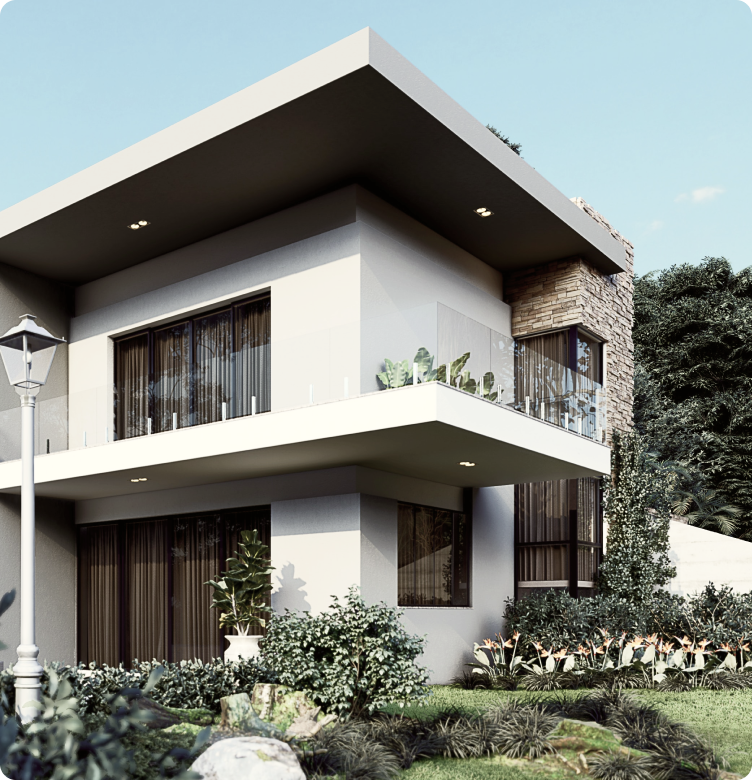

The allure and distinct charm of Portugal continues to inspire people from all over the world to flock to the country, not just as a travel destination but as a place to call home. Renting in Portugal isn’t simply a matter of finding a place to stay—it offers a chance to connect with the rhythm of Portuguese life, from the pulse of Lisbon’s creative districts to the calm of coastal neighborhoods.
When renting in Portugal, it’s essential to start by setting a clear budget and understanding how much space you’ll need. In cities, housing is primarily limited to apartments, often tailored to students and young professionals. For those who prefer more space or privacy, renting a house is more common in suburban areas, small towns, or the countryside.
It’s also a good idea to check whether properties are furnished; some rentals come fully furnished, while others may be partially or completely unfurnished, which can impact your initial costs. Finally, consider whether renting or buying is the better choice if you’re planning to stay in Portugal long-term.
This guide will take you through everything you need to know to find a home that fits your lifestyle in Portugal. From understanding key lease contract terms and tenant rights to exploring which neighborhoods best suits your needs, you’ll be fully equipped to find the perfect rental and settle into the Portuguese way of life.

Popular Places to Rent in Portugal
Did you know that Portugal hosts 1,044,606 foreign residents, according to the Portuguese Migration and Asylum Report for 2023? This is a 33.6 percent increase compared to 2022, and the numbers continue to grow. This surge reflects a growing global fascination with Portugal.
As for rental property in Portugal, Statistics Portugal (INE) reports that even though the average price of rentals in Portugal has increased by 11.1 percent in the second quarter of 2024 compared to 2023, new lease agreements have also increased by 6.9 percent in the same period. This clearly indicates that renting property in Portugal is still popular among expats and is a great option to experience living in different areas until you find the place you feel at home.
The INE reported increased rentals in Lisbon, Porto, the Algarve, Setúbal, and Madeira, indicating the most desirable locations in Portugal for renters in 2024. Let’s explore some of the popular destinations for renting Portugal property.

Lisbon
Renting in Lisbon offers an immersive experience in one of Europe’s most vibrant capitals. From its bustling historic districts like Alfama to the chic, modern neighborhoods of Parque das Nações, there’s a unique energy that blends tradition and innovation. Living here means easy access to lively cultural events, a well-rounded expat community with many locals who speak English, inspiring art galleries, world-class cuisine, and the beautiful Tagus River, all framed by the city’s iconic hills and colorful historic tiles.
The average rental price for an apartment in Lisbon is:
|
€1,412.82 |
|
€998.93 |
|
€2,642.11 |
|
€2,642.11 |
Porto
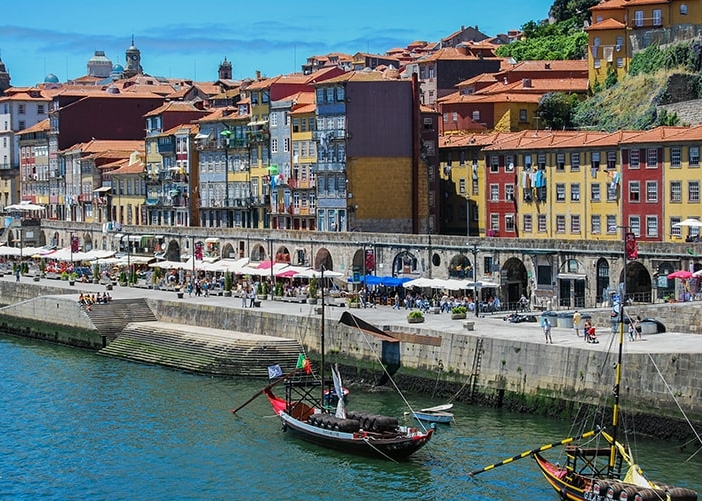
Porto, with its soulful charm and stunning riverfront views along the Douro, offers a more laid-back atmosphere compared to Lisbon but is equally captivating. Famous for its medieval Ribeira district, world-renowned port wine, and the iconic Dom Luís I bridge, Porto’s architecture is both dramatic and picturesque. Renting here often means cozy apartments in centuries-old buildings, surrounded by port wine cellars and quaint cafes.
Porto also boasts a thriving tech scene and is a popular hub for entrepreneurs and startups, attracting many professionals to the city.
The average rental price for an apartment in Porto is:
| €1,042.86 |
| €849.70 |
| €1,854.45 |
| €1,370.93 |

Braga
Braga is a charming blend of old-world architecture and youthful energy, thanks to its university atmosphere. Famous for its Baroque churches and the grand Bom Jesus do Monte sanctuary, Braga’s streets are lined with picturesque plazas and historical sites. Rentals here are more affordable than in Lisbon or Porto, and the friendly, community-focused vibe is perfect for expats seeking a quieter life.
The monthly rental costs for an apartment in Braga are:
| €787.50 |
| €590 |
| €1,237.50 |
| €966.67 |

The Algarve
The Algarve region offers a Mediterranean lifestyle with stunning beaches, sunlit days, and a relaxed pace. Known for its dramatic cliffs and whitewashed fishing villages, the Algarve’s landscape is postcard-perfect. Renting here provides access to beach towns like Lagos and Tavira, where expats enjoy both community and privacy. Popular with retirees and families, the Algarve has more spacious housing options, offering villas with sea views, and is also home to a welcoming expat community.
The monthly rental costs for an apartment in the Algarve are:
| €1,000 |
| €850 |
| €2,340.36 |
| €1,254.76 |

Setúbal
Setúbal combines coastal charm with city conveniences, offering easy access to beaches, fresh seafood markets, and a slower, more local way of life. Known for its working harbor and nearby Arrábida Natural Park with breathtaking limestone cliffs, Setúbal has a laid-back coastal appeal. Rentals here are more affordable than in Lisbon, making it ideal for those wanting the balance of city living with natural beauty.
The monthly rental costs for an apartment in Setúbal are:
| €800 |
| €710 |
| €1,310 |
| €1,057 |

Madeira
Madeira is a paradise for nature lovers and those seeking a peaceful, island lifestyle. Renting in Madeira often means views of lush mountains and the Atlantic Ocean, with access to hiking trails, botanical gardens, and a tight-knit expat community. Its year-round mild climate and slower pace of life make it a haven for those seeking a unique, nature-centric Portuguese experience.
The monthly rental costs for an apartment in Madeira are:
| €600 |
| €500 |
| €900 |
| €700 |

Buying vs. Renting in Portugal: The Pros and Cons
Both buying and renting in Portugal have their unique benefits, and the right choice for you will depend on your long-term plans, financial flexibility, and lifestyle preferences. Here’s a quick breakdown of the pros and cons of each to help you decide which might be the best fit:
Pros of renting:
- A rental in Portugal provides the flexibility to move between regions and try different areas before buying a permanent residence.
- It avoids upfront property costs such as down payments, property taxes, and purchasing fees.
- The maintenance costs are lower as landlords typically cover major repairs.
- It requires no long-term financial commitment if you’re only planning to stay in Portugal for a short time.
Cons of renting:
- Renting a house in Portugal means you’ll be making monthly payments without building equity.
- You will have limited control over the property, as modifications may not be permitted.
- You’ll be vulnerable to rising rental prices in high-demand areas, meaning your average rent payment could become too expensive over the years.
Buying in Portugal is a smart option if you’re planning to settle down long-term, as the country’s real estate market has shown steady growth over the past decade.
Earlier this year, Porto and the Algarve were also highlighted in Knight Frank’s 2023 Wealth Report as two of the world’s top ten fastest growing luxury real estate markets, noting how more affluent investors are finding out why these locations offer some of the best places to live in Portugal.
Mortgage rates are also very reasonable in Portugal, making it easier to finance a property. Plus, owning property can be an excellent investment, especially in areas where tourism and rental demand is high.
Pros of buying:
- Buying property gives you access to long-term investment potential with rising property values in many areas, like Lisbon, Porto, and the Algarve region.
- You will start building equity and will have full control over your property.
- Investing in property allows you to generate rental income if you purchase in tourist-friendly areas. This is especially beneficial now that many of the previous restrictions on issuing crucial short-term rental (AL) licenses in certain areas are currently being rolled back.
- Could be cheaper than renting in the long run, as your property will eventually be paid off, while rental prices and your average rent payment may continue to increase over time.
- Buying a home in Portugal offers an extra sense belonging and stability.
Cons of buying:
- Buying property comes with upfront investment and costs, such as a deposit, property taxes, and legal fees.
- You will be responsible for the maintenance of your property.

Types of Property to Rent in Portugal
Renting an apartment is the most common choice when it comes to Portugal rentals for expats, especially in bustling cities like Lisbon and Porto. These could range from one to four bedrooms and will come with a kitchen, living room, and one or more bathrooms. When it comes to expat Portugal rentals, many apartments will come furnished, especially in student accommodation. Plus, most apartments will either come with a private washer and dryer or might provide a communal laundry room for the apartment building.
However, renting a house in Portugal is not difficult to accomplish either, especially if you’re looking around the outer areas and suburbs. Villas and country houses are a little less common to rent long-term and are more commonly available for short-term and holiday rentals, as these property types tend to be more expensive and more sought after among property buyers.
Finding a Place to Rent in Portugal
If you’re looking to find houses or apartments to rent in Portugal, there are plenty of resources to help you find the right spot, whether you’re aiming for a city apartment or a countryside retreat. From working with a local real estate agent to using online property portals or expat-friendly flatshare platforms, you have several options for discovering properties that match your needs. Here are a few go-to places to start your search.
Property search agents
Perfect for expats who are not familiar with the different regions of Portugal, a property search agent brings in-depth knowledge and expert guidance to help save you time and money while searching for a property to rent. Property search agents are able to identify great options within your price range and without you having to look through countless listings before finding your ideal home. More importantly, it is also the best way to protect yourself against scams.
Our partnering team at Goldcrest is an excellent option to aid in your property search as they offer a tailored property search experience with access to listings that may not be advertised on the market yet. Another perk of working with Goldcrest is that you’ll already have a great connection to Portugal’s oldest leading buyers’ agency for when you’re ready to make a home purchase, offering the same tailored service catering to your unique needs.
Flatshares
Flat sharing is a popular choice among students and young professionals in Portugal, offering an affordable and social way to live in prime locations without the full cost of a solo rental. A typical shared flat is set up so that you’ll have your own private room, while communal spaces like the bathroom, kitchen, and living room are shared with your flat mates. Monthly shared flat rentals usually range from €300 to €600 depending on the city and neighborhood.
There are a variety of online platforms that let you filter for shared flats and co-living options. Beyond websites, many students also turn to university social media groups or local community boards to find rooms in shared flats, making it a great option for those who prefer a communal living experience.
Student housing in Portugal
On-campus housing is rare or quite limited at some Portuguese universities, so most students find accommodation nearby instead, either in student residence halls or shared apartments. Many universities offer residence halls (residências universitárias) and allow students to apply online, though these spots are limited and tend to fill up quickly. As a result, private rentals or shared flats often become the preferred options for students.

How to Rent a Property in Portugal
If you are ready to start the process of renting Portugal property, there are two ways to go about it: Through a rental agency or directly with a private landlord. An agency will be able to guide you through the process from start to finish but will come with additional fees. When renting directly from a landlord, although you won’t pay agency fees, it is possible that they may not speak English, which can make communication a bit challenging.
When renting in Portugal, it’s best to act quickly if you find a property you like, as demand can be high. To rent, you’ll need a tax identification number (NIF), proof of identity, and financial documents like a bank statement or proof of employment. Students may need a guarantor (fiador) or additional support from a parent to assure the landlord that they will not default on rental payments. You can expect to pay about three months’ rent upfront, along with a security deposit.
Breaking Down Rental Costs in Portugal
One of the worst parts about renting a home is being surprised by hidden or unexpected costs. Stay prepared by being aware of all the costs involved in renting:
- Monthly rent: As we have already seen, the monthly rent can vary quite a lot depending on the location, square meter size, and property type. It’s important to choose a place that fits comfortably within your budget. Usually, you’ll pay your monthly rent via a bank transfer.
- Rental deposit: This amount is usually about three months’ rent. A landlord may ask for a security deposit on top of this.
- Agency and administration fees: If using an agency, you’ll need to clarify which fees fall to you and which fees are charged to the landlord.
- Utility costs: Many rental properties do not include utility costs in Portugal and you as the tenant will be responsible for water, electricity, gas, and internet costs. Basic utilities for an 85-square-meter apartment will cost about €114 per month, with an extra €38 for unlimited internet.

Rental Contracts in Portugal
In Portugal, rental agreements come in two main types: Fixed-term (contrato com prazo certo) and open-ended (contrato por duração indeterminada), with most contracts lasting at least one year.
A standard rental contract should include the names and identification of all tenants, the identification of the landlord, the property address, the agreed upon rental amount, the date rent should be paid each month, and the duration of the contract.
Tenant’s rights and obligations
As a tenant, here are a few rights and obligations to keep in mind when ironing out your rental agreement:
- Ending the rental contract: In general, rental contracts in Portugal automatically renew unless the tenant or landlord decides to end them. Tenants are usually required to give at least two months’ notice before moving out.
- Changes to the property: While small changes to the property are generally allowed, it’s always a good idea to check with the landlord first. If there’s any damage when you move out, the landlord may deduct it from your deposit.
- Subletting: Subletting is typically not allowed unless the contract specifically permits it, so always ask your landlord for approval. According to Portuguese law, you can’t charge sub-tenants more than 20 percent above the original rent price.
- Renting with pets: Ultimately, it is up to the landlord whether to allow pets or not. In general, you should be able to find pet-friendly listings for rent, but they can be few and far between. Portuguese law also limits the number of pets you can own to three dogs or four cats, with a maximum of four animals.
Landlord’s rights and obligations
If you’re planning on purchasing a home to rent out as a landlord, here are some rights and obligations on your side:
- Ending the rental contract: Landlords must also provide at least two months’ notice if they want to end the lease, and they may need to provide a reason, such as needing the property for themselves or making major renovations.
- Failure to pay rent: If a tenant hasn’t paid rent for three months, the landlord can send a notice, and if the issue isn’t resolved, they can begin the eviction process through the Balcão Nacional do Arrendamento.
- Subletting and renting with pets: These policies are at the landlord’s discretion and should be clearly communicated to each tenant in the rental contract.
Where to go in the event of a dispute
The Associação dos Inquilinos e Condóminos do Norte de Portugal offers rental guidance, and in Lisbon, the Centro de Apoio do Novo Regime de Arrendamento Urbano (NRAU) assists both tenants and landlords. Law no. 13/2019 provides guidelines to resolve disputes and protect tenants in vulnerable situations. In the case of a dispute and to understand your options, refer to this law or seek advice from a real estate lawyer. If you can’t afford a lawyer, you can also apply for legal aid through Social Security.

Moving In and Moving Out in Portugal
Once you’ve signed the lease and paid the deposit, you’re good to move in on the agreed date. Just make sure to set up your utilities ahead of time, as it can take a few days. If you’re renting furnished apartments, the landlord might provide an inventory list to keep track of the furniture and any damage. If you decide to leave before your lease is up, check the contract for the notice period—usually, you’ll need to give at least two months’ notice in writing. When you move out, the landlord may do an inspection, and you should get your deposit back unless there’s damage to the property.
Renting Out Your House or Apartment in Portugal
Are you considering investing in a house or apartment in Portugal to rent it out? With rental yields at 5.6 percent in the Algarve, 6 percent in the Porto Metropolitan Area, and 6.7 percent in the Lisbon Metropolitan Area, renting out your home in Portugal’s major cities can be a lucrative option.
You will need to ensure you have the appropriate licensing and you could enlist the help of a property manager in Portugal to help with advertising your rental property, communicating with tenants, and tending to the day-to-day maintenance tasks. Our partner, Goldcrest, also provides property management services for investment property buyers.
As a property owner, you will also need to keep track of your property taxes, such as Stamp Duty, Municipal Property Tax (IMI), and Rental Income Tax. Find out more about property taxes in Portugal in our in-depth guide.

Final Insider Tips for Renters in Portugal
Here are some tips from our property experts to keep in mind while renting in Portugal:
- Never pay for anything before viewing the property and signing an official rental contract.
- Take photos of the property upon arrival, especially if there’s no inventory, to avoid disputes later.
- If repairs are needed before moving in, arrange them with the landlord before signing your rental contract to ensure all is in order before making a financial commitment.
- Clarify any fees included in the contract.
- Clarify the policy on subletting, smoking, and pets, if needed.
- Ask the landlord to show you the fusebox and any other important details about the property.
- Document the initial meter readings for gas, electricity, and water to start your utility services.
- Ensure you have reliable contact details from your landlord in case of emergencies.
- Clarify what modification can and cannot be done to the property beforehand.
Why work with BE Global Properties?
BE Global Properties is the discerning property investors’ gateway to meticulously curated properties that transcend ordinary listings. Look no further when searching for your next dream home or investment property in the Portuguese luxury real estate market.
Explore our exclusive listings page and work with our experts, who offer market insights, smart investment choices, and exceptional customer service to find the property investment for sale that is perfectly tailored to your lifestyle.
Contact BE Global Properties today and start your search to find your global haven.
Frequently Asked Questions about Renting in Portugal
Can foreigners rent property in Portugal?
Yes, there are no restrictions on foreigners renting property in Portugal. You’ll just need your own ta identification number (NIF), proof of identity, and proof of affordability, such as proof of employment or bank statements.
Do I need a Portuguese fiscal number (NIF) to rent a property in Portugal?
Yes, you will need a Portuguese fiscal number (NIF), also known in Portuguese as Número de Identificação Fiscal, to rent a property in Portugal. The NIF is required for signing the lease and handling any financial or legal matters related to the rental, such as setting up utilities or paying rent.
You can obtain an NIF at a local tax office (Finanças) by providing your passport or photo ID and proof of address. If you’re a non-resident, you will also need a Portuguese tax representative to act as your proxy. You can read more about the process in this article on the NIF Portugal by our residency and citizenship partner, Global Citizen Solutions.
What is the monthly rent in Portugal?
Your monthly rent will vary depending on where you choose to live in Portugal. Renting in Lisbon or Porto tends to be more expensive, with the average rent per month at €1,412.82 for a one-bedroom apartment in Lisbon’s city center, and €1,042.86 for an apartment in Porto’s city center. However, a location like Braga is significantly cheaper, at an average rent of €787.50 per month for a one-bedroom apartment.
Your average rent will also be higher if you opt for a larger property with more amenities.
How is rent paid in Portugal?
Rent is usually paid via a monthly bank transfer in Portugal.
How do I find rental properties in Portugal?
The best way to get a tailored experience is to make use of a property search service, like the service offered by Goldcrest, especially if you are unfamiliar with the rental market in Portugal. They will be able to bring expert guidance and advice to save you time and money, while catering specifically to your needs. You can also search for listings for rent online.
How long can you rent house in Portugal?
Rental agreements come in two main types: Fixed-term (contrato com prazo certo) and open-ended (contrato por duração indeterminada), with most tenancy contracts lasting at least one year but will automatically renew unless the tenant or landlord decides to end the contract. However, it is rare to find rental contracts lasting more than six years. The maximum period is 30 years.
What documents are required to rent a property in Portugal?
You will need your Portuguese fiscal number (NIF), proof of identity, and proof of employment or affordability.
What are the typical lease terms for renting in Portugal?
Rental agreements come in two main types: Fixed-term and open-ended, with the minimum duration for most contracts being at least one year. Landlords and tenants must provide at least two months’ notice if either party would like to end the lease. Lease terms will also describe the tenant and landlord’s rights and responsibilities, rental payment date and value, and renewal terms.
Can landlords increase the rent during the lease term in Portugal?
In Portugal, landlords can increase the rent once per year if it’s specified in the contract, following the current renewal laws and limits. The landlord will have to give the tenant at least two months’ notice before increasing the rent.
Are pets allowed in rental properties in Portugal?
Each landlord will need to state whether or not pets will be allowed in the rental property, but it is possible to find pet-friendly rental listings in Portugal.
What are the most popular areas for expats to rent in Portugal?
Lisbon, Porto, the Algarve, Setúbal, and Madeira are currently popular areas for expats to rent in Portugal.
How does the rental process work for non-residents in Portugal?
The rental process for non-residents in Portugal is quite similar to that for Portuguese citizens. You’ll need to sign a contract with either a property agency or a private landlord and pay a security deposit. Keep in mind that foreign renters are required to obtain a Número de Identificação Fiscal (NIF).