

Your retirement should be a time to enjoy your interests, relax a little, and embrace the good things in life, like the buzz of city life, the calmness of life by the ocean, or the tranquility of the countryside.
Should you be looking to relocate overseas, you’ll want to choose a country where you feel safe, where English is widely spoken, and where you’ll be able to enjoy a high quality of life. So, what about retiring in Portugal?
If you do a quick online search of the best countries to retire to, Portugal will appear within a few clicks, perhaps with a gorgeous image of a pristine beach or a colorful city.
In this article, we’ll delve into what makes Portugal such an attractive option for retirees, discuss retiring in Portugal pros and cons, provide practical information about how you can relocate here yourself, and provide some tips and tricks to help you settle in this beautiful country in southwestern Europe.
Why retire to Portugal?

Retiring in Portugal is a dream for many, and the country regularly takes the crown or ranks very highly in retirement indexes. For example, it ranked second compared to 16 other countries in the 2024 Annual Global Retirement Index and in the same position in Global Citizen Solutions’ Retirement Index for US Citizens.
With delectable cuisine, exciting activities – whether honing your golf skills on dry land or trying out water sports activities – and a sublime climate, Portugal seems to hold all the cards. In this section, we’ll provide you with some of the benefits of retiring to Portugal.
Fantastic weather
Portugal has long been sought-after for its incredible weather, with tourists, particularly British tourists, heading to the beautiful Algarve region to soak up the rays. And it’s not just southern Portugal – you’ll be able to enjoy a relatively mild climate in Portugal wherever you are based, although it can be cooler in the northern parts of the country.
Warm and welcoming people
Portugal has been recognized as the most welcoming country in the world in a recent international study by InterNations.
Should you visit Portugal, you’ll quickly find that the Portuguese residents are generally very friendly towards tourists and expats, going out of their way to point them in the right direction and help them get orientated and immersed in Portuguese culture, often showing them their favorite restaurant or attractions that you won’t want to miss.
Relaxed lifestyle pace
Retiring in Portugal offers a relaxed lifestyle, with a slower pace of life and a focus on enjoying daily moments, such as taking the time out for a coffee or enjoying a long lunch with friends. The country’s warm climate and friendly locals contribute to a stress-free, leisurely environment perfect for retirees.
Thriving culture, food, and arts scene
Portugal boasts a rich cultural tapestry with vibrant arts, music, and culinary scenes. From traditional Fado music in Lisbon to contemporary art galleries and exquisite cuisine, retirees can immerse themselves in a dynamic and fulfilling cultural experience.
You’ll also find several local festivals that make the country come to life throughout the year, from Jazz to wine festivals. The Mediterranean diet is also considered one of the healthiest in the world, with Portugal being a contender as a blue zone.
Lower cost of living
Portugal’s low cost of living allows retirees to enjoy a comfortable lifestyle. Low healthcare costs, cheaper housing costs, and affordable dining and transportation make it an attractive destination for those looking to maximize their retirement savings.
Affordable real estate prices
While property prices in major cities have been increasing in recent years, real estate in Portugal is reasonably priced compared to other Western EU countries, offering retirees the opportunity to purchase or rent homes at lower costs compared to other European destinations. This affordability extends from charming rural properties to modern urban apartments.
Who can retire in Portugal?

Portugal, situated in Western Europe, is a firm favorite with retirees looking to enjoy a high quality of life, stay active, and soak up a relaxed pace of life in the best places to live in Portugal. While specifics may vary depending on your nationality, here is information on how European Union (EU) citizens and non-EU citizens can retire to Portugal.
EU/EEA/EFTA citizens
Citizens of the European Union (EU), European Economic Area (EEA), and European Free Trade Association (EFTA) countries have the right to live and retire in Portugal without requiring a visa. They enjoy the same residency rights as Portuguese citizens and will just need to register at the local town hall after three months of arriving in Portugal.
Non-EU citizens
Non-EU citizens, including retirees from the United States, Canada, the United Kingdom, can retire in Portugal, but they usually need to apply for a long-term visa or residence permit. Portugal provides various visa options, such as the D7 Visa for retirees, which is intended for individuals with a steady income, like pension income, to support themselves while living in Portugal.
How to retire in Portugal?

The Portuguese government has introduced several residency visas over the years to encourage expats looking to relocate to Portugal. We’ll delve into the two most popular options for retirees: The D7 Visa (also known as the passive income visa or the Portugal retirement visa) and the Golden Visa. You can also discover more in our comprehensive guide on how to get residency in Portugal.
D7 Visa (Portugal Retirement Visa)
The popular D7 Visa, also known as the Portugal retirement visa or the passive income visa, is intended for retirees who can support themselves financially while living in Portugal. To qualify for the Portugal retirement visa, applicants must have a passive income that is at least above the Portuguese minimum wage of €820 per month. This worldwide income can come from sources such as pensions and other social security benefits, transferable equity, intellectual property, real estate, or financial assets.
The first step is to apply for the D7 Visa in your home country at the closest Portuguese Consulate. Following this, you will receive a temporary residency permit, allowing you to enter Portugal. You will then have a scheduled appointment with the official immigration service office AIMI (Portuguese Immigration Agency) to get a temporary residency permit that is valid for two years, which can then be renewed for a further three years.
Subsequently, retirees can apply for permanent residency and Portuguese citizenship after five years, provided they meet the necessary requirements.
The Portugal Golden Visa Program
The Portugal Golden Visa is a residence permit aimed at encouraging investment. Launched by the Portuguese government in 2012, it targets non-EU citizens willing to make a minimum investment in the country.
There are various appealing investment routes for obtaining the Golden Visa Portugal. Investment routes include qualified investment funds, creating job opportunities in Portugal, or contributing to the country’s artistic and cultural projects.
Portugal Golden Visas allow applicants to live in Portugal and extend their rights to their family members, enabling them to enjoy the country’s favorable climate, education system, and healthcare.
Portuguese citizenship for retirees
Both the D7 Visa and the Golden Visa provide you with the opportunity to apply for Portuguese citizenship after five years. As an EU citizen, you will have free movement across the European Union and the ability to live, work, and study in any EU member state.
To apply for Portuguese citizenship, you must have lived in Portugal for five years and fulfill all the requirements under Portuguese nationality law, such as having a clean criminal record and passing a basic Portuguese language test (A2 Level).
How to retire in Portugal from the USA?

Retiring in Portugal is highly attractive for US citizens due to several factors that contribute to a high quality of life. The climate, especially along the southern coast, is comfortable and temperate, appealing to those seeking pleasant weather.
Portugal is consistently ranked as one of the safest countries in the world, ranking in 7th position in the 2024 Global Peace Index. Its low crime rates create a secure and relaxed atmosphere, particularly in smaller towns and rural areas, which is a significant consideration for retirees seeking peace of mind.
The country also boasts a stable political environment with progressive legislation, offering a sense of security and predictability to US retirees.
The cost of living in Portugal is affordable, especially compared to the United States. Housing, transportation, and everyday living expenses here are more budget-friendly, enabling retirees to enjoy a comfortable lifestyle without the financial pressures often found in other European destinations.
While Portuguese is the official language, many Portuguese people, particularly in major cities such as Lisbon or Porto, speak English, making the transition to Portuguese life easier. Additionally, there is a thriving expat community and English-speaking services available, including in the healthcare sector, making it easier for US citizens who may not be fluent in Portuguese to integrate.
How to retire to Portugal from the UK?
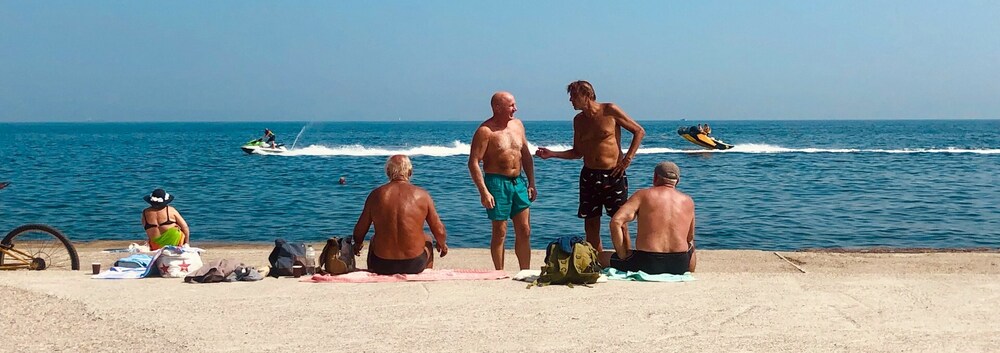
The cost of living in Portugal is generally more affordable than in the UK. Expenses for housing, groceries, and daily needs are often budget-friendly, allowing retirees to enjoy a comfortable lifestyle without sacrificing quality.
This affordability is particularly appealing to UK citizens considering their retirement finances. While the Algarve has long been the go-to spot for British retirees, more UK citizens looking to spend their golden years overseas are settling in other locations, such as Lisbon, Porto, and the Silver Coast.
Portugal’s Mediterranean climate, with mild winters and warm summers, is a significant draw compared to the UK’s often unpredictable weather. The southern coast, including the Algarve, boasts abundant sunshine and mild temperatures, attracting UK citizens seeking a sunnier and more temperate environment to enjoy their retirement to the fullest.
What You Need to Know Before Retiring in Portugal

Moving to a new country can be tricky, and relocating to Portugal is no different. From navigating the Portugal real estate market to healthcare, you’ll want to be informed about the state of play. In this section, we’ll delve into some essential information that you will want to know about.
Portugal’s living costs for retirees
Overall, living in Portugal is about 36 percent cheaper than in the United States and 28 percent lower than in the UK, not including rent.
Compared with the UK, the USA, and other Western European countries, you’ll find the cost of living in Portugal to be quite affordable. Dining out is inexpensive, with a meal in an inexpensive restaurant costing €10 on average. Utilities for a standard apartment are around €115 monthly. Rent in city centers is significantly lower than in the US, averaging €960.32 for a one-bedroom apartment.
Healthcare for retirees
Portugal offers universal health coverage through its publicly funded National Health Service (Serviço Nacional de Saúde, SNS). This system is very affordable for Portuguese citizens and legal residents and covers basic health needs, accidents, and illnesses.
While Portugal’s healthcare is excellent, there are also many private healthcare options across the country, which are very affordable – particularly compared to the USA – and where you can enjoy faster waiting times. You will also find that private healthcare professionals almost always speak a very good level of English.
While securing your residency visa, you will need private health insurance. Once you become a resident, you can choose to keep your private health insurance if you wish.
Private insurance for foreigners is easily accessible and affordable in Portugal. Depending on your needs and required services, costs range from €20 to €50 per month. This translates to approximately €400 per year for a basic plan to €1,000 annually for more comprehensive coverage.
Buying property in Portugal
Investing in real estate in Portugal is a wise choice due to its robust and varied market. The country has become increasingly popular among foreign investors, driving up property prices, although they remain lower than in many other Western European countries.
Portugal offers a wide range of properties, from traditional homes and modern apartments to historic buildings and renovation projects. You will also find stunning luxury properties in Portugal that effortlessly blend traditional architecture with cutting-edge modern design.
Property prices in major cities like Lisbon and Porto tend to be higher than those in the Silver Coast or central Portugal. For retirees considering Lisbon, prices vary, with more affordable options found outside the city center.
The average asking price in the Lisbon Metropolitan Area stands at €4,935 per square meter, while in Porto, this stands at €3,937, and in the Algarve at €4,385. More affordable options include the Alentejo, where the average asking price for property is €3,181, the center €2,098, and the North of Portugal €1,903. Note that these are the average asking prices, and the sales price is often considerably lower than this as the seller aims to sell by a set date.
You’ll find high rental yields in many parts of the county, including Lisbon, Porto, and the Algarve, and strong potential for high capital appreciation.
Obtaining a tax identification number (NIF) is mandatory for financial transactions when buying property in Portugal. It’s also advisable to open a Portuguese bank account to avoid foreign transaction fees.
What is the best place to retire in Portugal?

Below, we delve into some of the best places in Portugal to retire to. Note that this list is by no means exhaustive, and you’ll find plenty of other top locations to consider, such as cities in the center and north of the country, including Coimbra, Aveiro, and Braga. You can also look into buying property in Azores as well as buying land for sale in Portugal in the autonomous islands of Madeira.

Lisbon
Lisbon, the Portuguese capital, is renowned for its vibrant culture, historic architecture, and diverse activities. The city boasts a mild climate, excellent healthcare facilities, and a relatively lower cost of living compared to other Western European cities.
You’ll also find a scattering of beautiful beaches close at hand, alongside the stunning Portuguese Riviera coastline and the Sintra Natural Park. Plus, there are several top-quality golf courses to be found in the area.
This makes Lisbon especially attractive to retirees who enjoy an active lifestyle and wish to stay connected to the dynamic atmosphere of the country. For the ultimate Portuguese life experience, Lisbon holds the heart and soul of the country.

Porto
Portugal’s second-largest city, Porto, is considered one of the best Portuguese cities for expats, particularly retirees, given its more community-based feel than Lisbon. Known for its picturesque riverside, historic wine cellars, and charming atmosphere, Porto offers retirees a slower pace of life. They can explore the city’s cultural attractions and benefit from lower living costs compared to other European cities.
Porto luxury real estate is also on the radar of luxury buyers, given the fact that it was named one of the top locations in the world for luxury property in 2023, alongside the Algarve.
Situated in the stunning Douro Valley, one of the oldest wine regions in the world and a UNESCO World Heritage Site, Porto provides retirees with the opportunity to spend weekends wine-tasting at local Portugal vineyards and enjoying scenic cruises along the river.

Cascais
Cascais, situated on the Portuguese Riviera, is a coastal town renowned for its beautiful beaches, well-maintained parks, and upscale lifestyle. Retirees can relish a relaxed environment, engage in outdoor activities, and benefit from easy access to Lisbon, making it an ideal spot for those seeking a blend of tranquility and city life. International buyers can also find stunning Cascais luxury real estate options available for sale. Close by, Estoril and Sintra are also top locations to consider.

The Algarve
The Algarve is a stunning region in southern Portugal. It is a top European destination for expats from all walks of life and is widely considered the best place to retire in Portugal. Its stunning beaches, warm waters, and abundant sunshine create an exceptional living environment. The established English-speaking community provides substantial administrative support, making the Portuguese retirement process much easier to navigate.

The Silver Coast
For those seeking a less developed and more authentically Portuguese region, the Silver Coast or central Portugal is an excellent choice. These areas offer plenty of peaceful and tranquil spots, abundant in nature and open space.
Retirees considering the Silver Coast will discover a diverse range of options, from historic towns with cobblestone streets to beachfront communities with a relaxed lifestyle. Some excellent towns to consider include Nazaré, known for its big waves, Peniche, and Óbidos. The region’s blend of culture, natural beauty, and affordability make it an appealing destination for retirement in Portugal.
Retiring in Portugal: What to Expect

We have already delved into some of the key benefits of retiring to Portugal, such as the fabulous climate and relaxed pace of life. In this section, we’ll dig a little deeper, providing you with some key information on what you can expect should you choose to relocate to Portugal.
Big expat community
Portugal boasts a vibrant expat community, particularly in popular retirement destinations like Lisbon, Porto, and the Algarve region. There are also many expat community groups you can join. Platforms like InterNations and Meetup are great ways to meet like-minded people and establish your network in Portugal. You can also use Facebook groups to get to know fellow expats, while getting involved with activities, whether it’s golf, water sports, or yoga, are also a good way to meet new people.
Cultural richness
Retiring in Portugal means immersing oneself in a country rich with cultural heritage. From historic cities with stunning architecture to traditional festivals and art scenes, retirees can explore Portugal’s deep cultural roots through museums, galleries, and local performances, fostering a deep appreciation for its diverse traditions.
Diverse Landscapes
Portugal’s landscape is a paradise for retirees seeking natural beauty. From the dramatic cliffs of the Algarve and the Silver Coast to the lush vineyards of the Douro Valley and the rolling plains of the Alentejo, retirees can explore diverse landscapes that offer both tranquility and adventure, perfect for outdoor enthusiasts and nature lovers alike.
Outdoor activities
Retirement in Portugal encourages an active lifestyle with abundant outdoor activities. Whether it’s golfing on world-class courses, hiking in Portugal along coastal trails, enjoying water sports activities, or simply enjoying leisurely walks through historic towns, retirees can embrace the Mediterranean climate and scenic beauty year-round.
Culinary experiences
Portuguese cuisine is amongst the best in the world, particularly if you like fresh seafood and fish or a partial to delicious, sweet pastries, such as the iconic pastel de nata. Retirees can indulge in local markets, quaint cafes, and Michelin-starred restaurants, depending on your preference. You will also find that Portuguese wines are some of the best in the world, such as those hailing from the Douro Valley or Alentejo.
Travel opportunities
Portugal’s advantageous location in Europe enables retirees to effortlessly explore neighboring countries. Its extensive transportation network, including three international airports located in Lisbon, Porto, and Faro, ensures easy travel both within Portugal and to international destinations, offering retirees ample opportunities to discover and experience new places.
Tips for Retiring in Portugal in 2024

Preparing for retirement in Portugal requires thoughtful consideration of various factors to ensure a seamless transition. In the section below, we provide some practical suggestions to help you get set up in Portugal.
Carefully define your budget
You should take into account expenses such as rental deposits, shipping charges, legal fees, and so on. Consider whether you will need to buy furniture in Portugal and any appliances that you will need for your new place. Also, include expenses such as setting up your phone, Wi-Fi, and utilities. It’s important to compare different service providers to get the best deal possible.
Private health insurance
We’ve mentioned that the public healthcare system in Portugal is generally excellent. However, for faster access to healthcare, obtaining private insurance may be the way to go. Assess various insurance plans to find one that meets your needs and budget.
Learn the local language
While many Portuguese locals will speak English, it is worth learning Portuguese to integrate into Portuguese society, enhancing your daily interactions and making your retirement experience more immersive. You will find an array of language schools across the country, including private lessons, online teaching, and group sessions.
Understand tax implications
Understand the tax implications of retiring in Portugal, both for your home country and for Portugal. Consult with tax professionals to optimize your financial situation and ensure compliance with tax regulations.
If you are looking to buy property in Portugal, make sure that you are aware of the property taxes that you will be required to pay at the time of purchase and on an annual basis. Our taxes in Portugal guide offers more in-depth information.
Embrace the local lifestyle
Immerse yourself in the local lifestyle by participating in cultural events and exploring Portugal’s rich traditions. This will enhance your retirement experience and help you feel a sense of belonging in your new community. You’ll find English speaking expats in Portugal, but getting to know your local Portuguese neighbors will also help no end in getting well acquainted with the local way of life.
Is Portugal a good place to retire?
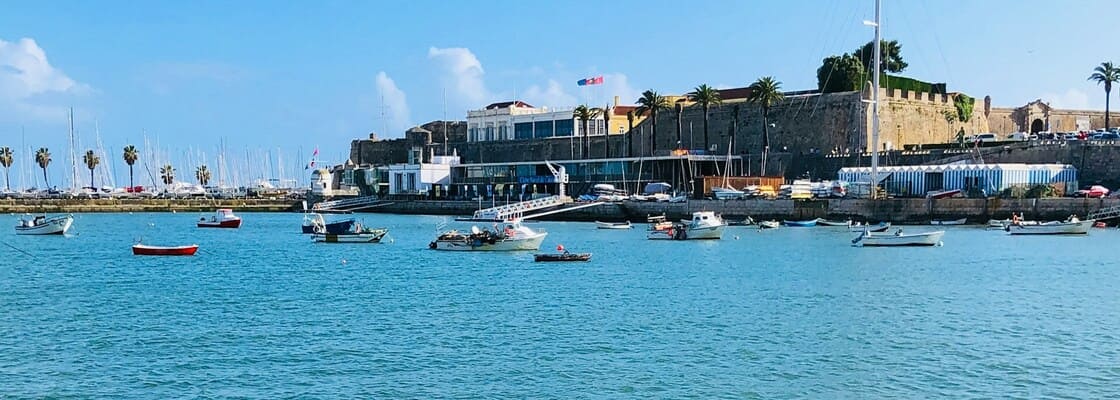
With a stunning climate, varied cities and landscapes, and a relaxed pace of life that offers top-quality healthcare and plenty of activities to fuel your interests, Portugal is a leading contender when it comes to retirement options. While retiring overseas is a big commitment, and the place you choose will ultimately depend on your personal situation, Portugal ticks a lot of boxes when it comes to enjoying your golden years in style.
Be Global Properties: How We Can Help You

Looking to begin your next adventure in Portugal? With BE Global, you could discover your dream property to use as a base to explore this fascinating country.
BE Global Properties is the discerning property investors’ gateway to meticulously curated properties that transcend ordinary listings. We handpick the very best properties on the market, saving you time and hassle.
Contact BE Global Properties today and start your journey to find your peaceful retreat in Portugal.
Frequently Asked Questions about Retiring in Portugal
How can I retire to Portugal from the USA?
To retire in Portugal from the USA, apply for a D7 Visa, also known as the Retirement Visa. This requires proof of sufficient income, accommodation, health insurance, and a clean criminal record. Another option to consider is the Portugal Golden Visa, the country’s residency by investment visa.
To retire in Portugal and apply for residency through one of these visa options, you will need to provide a valid passport, proof of regular income, and health insurance and meet specific requirements dependent on the residency route you choose. Even though the process can take some time it is relatively straightforward.
Can I retire in Portugal as a US citizen?
Yes, US citizens can retire to Portugal from USA. You will need to apply for a D7 Visa, also known as the retirement visa. The application requires proof of sufficient income, accommodation, health insurance, and a clean criminal record. You can also opt for the Portugal Golden Visa, which is the country’s residency by investment visa.
What are the pros and cons of retiring in Portugal?
Pros: The cost of living is affordable compared to other European countries, and there is a pleasant climate, excellent healthcare, and a high quality of life.
Cons: Language barriers can be an issue in smaller towns, bureaucratic processes can be time-consuming, and older properties may lack insulation.
What are the benefits of retiring in Portugal?
As in any country, there are retiring in Portugal pros and cons. The benefits of retiring in Portugal include the affordable cost of living compared to other European countries, the pleasant climate, excellent healthcare, and a high quality of life.
What are the downsides of retiring in Portugal?
The downsides of retiring in Portugal include possible language barriers if you do not speak Portuguese, especially in smaller towns. Additionally, Portugal’s bureaucratic processes can be time-consuming, and older properties may lack insulation, which may be a problem for retirees in winter.
How much money do you need to retire comfortably in Portugal?
Portugal is one of the most affordable European countries, offering a low-cost lifestyle. Depending on your chosen region, you can comfortably retire in Portugal with a monthly income ranging from €1,400 to €2,400.
Can I retire in Portugal with $200,000 of savings?
Portugal retirement for US citizens is considered to be quite affordable. Portugal is one of the most affordable Western European countries and offers those who retire to Portugal from USA a low-cost lifestyle.
Depending on where you choose to live, you can comfortably retire in Portugal with a monthly income ranging from €1,400 to €2,400. This means that that depending on your monthly budget, you could live on savings of $200,000 comfortably for about 5 years.
Where to retire in Portugal??
Popular retirement spots in Portugal and some of the best places to invest in the Portuguese real estate market include:
- The Algarve, known for its beaches and warm climate
- Lisbon, known for its vibrant city life, the Portuguese Riviera, the perfect spot for lifestyle buyers
- Porto, known for its cultural heritage and lower cost of living
Besides Portugal, where else can you retire abroad?
Other popular retirement destinations include Spain, Costa Rica, Mexico, Thailand, and Italy. Each offers unique benefits, such as low living costs, favorable climates, and welcoming expat communities.
How to retire to Portugal as a foreigner?
Non-EU citizens can retire to Portugal by applying for the D7 Visa and demonstrating sufficient passive income, health insurance, and accommodation. There are also other options for non-EU citizens to relocate to Portugal, such as the Portugal Golden Visa. EU citizens will not need to secure a visa to move to Portugal but will need to register at the local town hall after three months of arriving.
Can you retire to Portugal from Canada?
Yes, Canadians can retire in Portugal by securing a residence permit through the D7 Visa or Golden Visa program. You can apply for a D7 Visa, providing proof of sufficient passive income, health insurance, accommodation, and a clean criminal record. Another option is the Golden Visa, the country’s residency by investment program.
Can you retire in Portugal from the UK?
Yes, you can retire to Portugal from the UK. However, the process is more challenging post-Brexit. You must secure a residency visa in Portugal via the D7 Visa or Golden Visa, which you can apply for if you meet income, accommodation, and health insurance requirements.
To retire in Portugal, you’ll need to apply for residency. The process can take some time, but it is relatively straightforward. You’ll need to provide a valid passport, proof of your regular income, health insurance, and further documents and requirements depending on your chosen residency route.
Can I retire in Portugal from Australia?
Yes, Australians can retire in Portugal. Apply for a D7 Visa, provide sufficient passive income, secure health insurance, and present a clean criminal record.
Can I retire to Portugal from USA?
Yes, US citizens can retire to Portugal from the USA by applying for a D7 Visa. The process involves gathering required documents, securing a residency visa, and ensuring you have healthcare services coverage. After arrival, apply for a temporary residence permit. After five years you can apply for permanent residency and Portuguese citizenship, provided you meet all the requirements under Portuguese law.
What is the cost of retiring in Portugal?
You can retire in Portugal comfortably with a monthly income ranging from €1,400 to €2,400, depending on your chosen region. Cities such as Lisbon, Porto, and the Algarve region tend to be more expensive locations to relocate to. However, these cities are more affordable compared to major cities in many western European countries.
What is the retirement age in Portugal?
Portugal’s retirement age for both women and men is 66 years and 7 months.
What healthcare options are available for retirees in Portugal?
Retirees in Portugal have access to both public and private healthcare options. Portugal offers universal health coverage through its publicly funded National Health Service (Serviço Nacional de Saúde, SNS). This system is available at an affordable cost for Portuguese citizens and legal residents and offers healthcare services covering basic health needs, accidents, and illnesses.
The public Portuguese healthcare system is excellent. However, Portugal offers Private healthcare system options across the country, from which expats from non-EU countries and EU citizens retiring in Portugal generally opt for medical services. Private healthcare services are very affordable and offer shorter waiting times. You will also find that private healthcare professionals almost always speak a very good level of English. While securing your residency visa, you will need private health insurance for the visa process. Once you become a resident, you can choose to keep your private health insurance if you wish.
What are the tax implications for retirees in Portugal?
To understand the tax implications for retirees in Portugal, it is crucial to consult a financial advisor and tax professionals for proper financial planning and compliance with tax regulations. If you are not a Portuguese tax resident, your foreign income, including rental income or income from a retirement fund or social security benefit deposited into your local bank account, generally won’t be taxed in Portugal.
However, Portuguese-sourced income is taxed. Before moving to Portugal, confirm whether your home country has signed a double taxation treaty with Portugal to avoid double taxation. When choosing Portugal as a retirement destination, budgeting and thorough financial planning, with guidance from a local tax professional, are essential for optimizing your financial situation.
Do expats pay taxes in Portugal?
If you are not a Portuguese tax resident, your foreign income, including rental income or income from a retirement fund or social security benefit deposited into your local bank account, generally won’t be taxed in Portugal. However, Portuguese-sourced income is taxed.
How to stay connected with family and friends when retiring in Portugal?
To stay connected with family and friends when retiring in Portugal, you can rely on video calls and social media. To connect with other expats in Portugal, you can join expat communities and social media groups, as well as engage in Facebook groups focused on your home country. Embrace Portugal’s lifestyle and culture by participating in activities like golf, water sports, or yoga while building relationships with fellow retirees and locals.
How safe is Portugal for retirees?
Portugal is consistently ranked as one of the safest countries in the world and ranks in 7th position in the 2024 Global Peace Index. The country’s low crime rates create a secure and relaxed atmosphere, particularly in smaller towns and rural areas. Retirees seeking peace of mind during their retirement years enjoy the safety factor of retiring in Portugal.
Is healthcare free in Portugal?
Portugal’s healthcare system is excellent, and the country offers free healthcare services to American retirees who are Portuguese citizens or have a permanent residence permit. However, obtaining private health insurance is essential for those who retire abroad.
However, having private health insurance coverage allows you to enjoy faster waiting times and access to private healthcare professionals and specialists who speak a very good level of English.
Is Portugal a third-world country?
Portugal is not a third-world country. As part of Western Europe, it is a first-world country with excellent infrastructure, a developed education and healthcare system, and access to modern amenities like top-tier internet access, lifestyle and entertainment options, and secure banking. Owning and driving a car in Portugal is also affordable, and the public transport system is safe and reliable.
What are the inheritance implications for retirees in Portugal?
Portugal does not impose a gift or inheritance tax. However, a 10 percent Stamp Duty fee is applied to assets in the Portuguese territory passed on as inheritance. An exemption to the Stamp Duty applies whenever such inheritance is passed on to spouses, descendants, and descendants.
Consult our taxes in Portugal guide for more in-depth information on retirement laws and taxes in Portugal. Our working in Portugal guide can also help you navigate moving retirement funds and pensions and understanding social security contributions to Portugal.
Can a foreigner buy a house in Portugal?
Yes, there are no restrictions on foreign investors purchasing property in Portugal. However, property investors from non-EU countries who plan to live in the country will need to apply for a residency permit through the Portuguese visa program of their choice.
Why do Americans choose to retire in Portugal?
Americans choose to retire in Portugal for many reasons including the benefits of the country’s pleasant climate, excellent healthcare, and a high quality of life. Additionally, living in Portugal is about 36 percent cheaper than in the United States
Is there Portuguese citizenship for retirees?
Yes, retirees with a permanent residence permit who have lived in Portugal for over five years or more can apply for Portuguese citizenship.
Can non-EU nationals retire in Portugal?
Portugal retirement for non-EU citizens, including Americans, Canadians, and British nationals post-Brexit, requires a visa. The two most popular options are the D7 Visa and the Golden Visa. The D7 Visa is designed for individuals with passive income, such as pensions or rental income.
The Portugal retirement visa, commonly called the Portugal D7 Visa or passive income visa, allows retirees to use passive income to cover their living expenses. This income must be equivalent or more to the Portuguese minimum wage of €870.00 per month.
To retire in Portugal, you must apply for residency through the visa program of your choice. The process may take some time but it is straightforward. The application requires you to provide a passport, proof that you have a regular income and proof that you have health insurance. You will also have to submit to a criminal background check.
Can you retire in Portugal from Canada?
Yes, Canadians can retire in Portugal by securing a residence permit through the D7 Visa or Golden Visa program. To retire in Portugal, you must apply for residency through the visa program of your choice. The process may take some time but it is straightforward. The application requires you to provide a passport, proof that you have a regular income and proof that you have health insurance. You will also have to submit to a criminal background check.